📍 Japan

Japan Unveiled: From Tokyo's Neon Lights to Kyoto's Ancient Temples

≈ 17
Days
1238
Km
7
Stops
📖 9 min read 🔄 Last updated: 2026-01-17

Your day-by-day itinerary

1
Day

Tokyo

🔍

Discover

1
Experience the legendary Shibuya Crossing, one of the world's busiest pedestrian intersections where thousands cross simultaneously in a mesmerizing urban ballet. This iconic Tokyo landmark epitomizes the city's electric energy and has become a symbol of modern Japan. Watch the spectacle from above at the nearby Starbucks or dive right into the organized chaos.
2
Stroll down the elegant Omotesando avenue, Tokyo's answer to the Champs-Élysées, lined with architectural masterpieces housing luxury boutiques and trendy cafés. This tree-lined boulevard showcases cutting-edge Japanese design with buildings by world-renowned architects like Tadao Ando and Kengo Kuma. The sophisticated atmosphere makes it perfect for window shopping and people-watching.
3
Immerse yourself in the vibrant chaos of Takeshita Street in Harajuku, the epicenter of Japanese youth culture and fashion. This narrow pedestrian street bursts with colorful boutiques, quirky souvenir shops, and unique snack vendors serving rainbow cotton candy and crepes. Witness Tokyo's creative spirit through the eclectic street fashion on display.
🎯

Activities

Find serenity at the magnificent Meiji Shrine, a Shinto sanctuary dedicated to Emperor Meiji and Empress Shoken, nestled within a lush 170-acre forest in the heart of Tokyo. Walk through the towering torii gates and along peaceful gravel paths that transport you from urban chaos to spiritual tranquility. The shrine offers authentic Shinto rituals and traditional wedding ceremonies.
Relax in Yoyogi Park, one of Tokyo's largest green spaces offering a peaceful retreat from the bustling city. This beloved urban oasis attracts joggers, picnickers, and street performers, especially on weekends when you might encounter rockabilly dancers and musicians. The park connects Harajuku to Shibuya, making it perfect for a leisurely afternoon stroll.
Explore the atmospheric alleys of Golden Gai in Shinjuku, a labyrinth of over 200 tiny bars crammed into six narrow lanes. This nostalgic entertainment district has survived since the post-war era, preserving old Tokyo's intimate drinking culture. Each bar seats only a handful of patrons, creating unique and personal experiences.
2
Day

Tokyo

🔍

Discover

1
Marvel at the magnificent Senso-ji Temple in Asakusa, Tokyo's oldest and most celebrated Buddhist temple dating back to 628 AD. Enter through the iconic Kaminarimon (Thunder Gate) with its massive red lantern, then walk through the bustling Nakamise-dori shopping street leading to the main hall. The temple complex offers a glimpse into Edo-period Tokyo.
2
Wander through Ueno Park, a cultural haven housing some of Japan's finest museums, a zoo, and beautiful gardens. This expansive park was Japan's first public park and features stunning cherry blossoms in spring and lotus flowers in summer. Visit the Tokyo National Museum to explore the world's largest collection of Japanese art and antiquities.
3
Discover Kappabashi-dori, Tokyo's famous 'Kitchen Town' stretching nearly a kilometer with shops selling professional cookware, plastic food samples, and restaurant supplies. This unique shopping street offers an authentic glimpse into Japan's culinary culture and is the perfect place to find unique souvenirs like handcrafted knives and realistic food replicas.
🎯

Activities

Dive into the electric world of Akihabara, Tokyo's legendary electronics and anime district where neon signs illuminate multi-story gaming arcades and manga shops. This otaku paradise offers everything from vintage video games to cutting-edge technology, plus unique experiences like maid cafés and the massive Gachapon Hall filled with capsule toy machines.
Browse the vibrant Ameya-Yokocho market stretching under the JR railway tracks between Ueno and Okachimachi stations. This bustling open-air market offers incredible deals on everything from fresh seafood and produce to clothing and cosmetics. The energetic atmosphere and vendors calling out their prices create an authentic Japanese market experience.
Visit the historic Kanda Myojin Shrine, a serene Shinto sanctuary just minutes from Akihabara's chaos, famous for blessing electronics and ensuring business success. This 1,300-year-old shrine attracts both traditional worshippers and anime fans, with unique ema (votive tablets) often decorated with manga-style artwork. The contrast with nearby Akihabara is striking.
3
Day

Tokyo

🔍

Discover

1
Lose yourself in the immersive digital wonderland of teamLab Borderless, a groundbreaking museum where art installations respond to your presence and blend seamlessly into one another. This revolutionary space features rooms of cascading digital waterfalls, infinite crystal universes, and interactive flower gardens that create unforgettable sensory experiences. Allow at least two hours to fully explore this boundary-pushing exhibition.
2
Ascend Tokyo Tower, the iconic 333-meter communications tower inspired by the Eiffel Tower and painted in distinctive red and white. Built in 1958, this beloved landmark offers panoramic observation decks with sweeping views across the Tokyo skyline to Mount Fuji on clear days. The tower remains a nostalgic symbol of Japan's post-war modernization.
3
Explore the peaceful grounds of Zojo-ji Temple, one of Tokyo's most significant Buddhist temples and the family temple of the Tokugawa shoguns. Located at the foot of Tokyo Tower, this impressive temple complex features the magnificent Sangedatsumon gate, one of the oldest wooden structures in Tokyo. The juxtaposition of ancient temple and modern tower creates iconic photo opportunities.
🎯

Activities

Discover Roppongi Hills, a massive urban development featuring world-class art at the Mori Art Museum and breathtaking views from the Tokyo City View observation deck on the 52nd floor. This complex represents modern Tokyo at its finest, with cutting-edge architecture, upscale shopping, and sophisticated dining options. The outdoor Sky Deck offers unobstructed 360-degree views.
Stroll through the trendy neighborhood of Daikanyama, Tokyo's answer to Brooklyn, known for its independent boutiques, design shops, and the stunning Daikanyama T-Site bookstore complex. This sophisticated area attracts creative professionals and offers a more relaxed pace than central Tokyo. The architectural beauty and curated shops make it a haven for design enthusiasts.
Walk along the picturesque Meguro River in Nakameguro, one of Tokyo's most charming neighborhoods famous for its cherry blossom-lined banks and hip café culture. The river is flanked by trendy boutiques, vintage shops, and cozy restaurants that spill onto the waterfront. During hanami season, the tunnel of pink blossoms creates an unforgettable spectacle.
4
Day

Tokyo

🔍

Discover

1
Step back in time in Kawagoe, the 'Little Edo' town preserving the atmosphere of old Tokyo with its stunning Kurazukuri warehouses along the historic street. These clay-walled merchant buildings date back to the Edo period and now house traditional shops, sweet stores, and craft boutiques. The iconic Bell Tower (Toki no Kane) has been chiming the hours for over 400 years.
2
Visit the historic Kitain Temple in Kawagoe, a significant Buddhist temple housing the only surviving structures from Edo Castle, including chambers once used by the third Tokugawa shogun. The temple grounds feature 500 unique Rakan statues, each depicting a disciple of Buddha with distinct expressions. The beautiful gardens are particularly stunning during autumn foliage season.
3
Explore the Kawagoe Hikawa Shrine, a 1,500-year-old Shinto sanctuary famous for its rituals dedicated to love and relationships. The shrine features a charming tunnel of wind chimes in summer and offers unique sea bream-shaped fortune slips. Couples come from across Japan to pray for romantic success and marital happiness.
🎯

Activities

Wander down Taisho-roman Street in Kawagoe, where early 20th-century Western-influenced architecture creates a nostalgic atmosphere reminiscent of the Taisho era. The street features charming retro cafés, antique shops, and buildings that blend Japanese and European design elements. This photogenic area offers a unique contrast to the Edo-period warehouse district.
Experience the urban excitement of Ikebukuro's Sunshine City, a massive entertainment complex featuring an aquarium, planetarium, observation deck, and extensive shopping. The Sunshine 60 building was once Japan's tallest skyscraper and still offers impressive views from its observation floor. The complex caters to anime fans with numerous themed stores and attractions.
Ascend to the Sunshine 60 Observatory for panoramic views across Tokyo's endless urban landscape from the 60th floor. On clear days, the vista extends to Mount Fuji and the surrounding mountains. The observation deck features interactive exhibits and romantic sunset viewing experiences.
5
Day

Tokyo

🔍

Discover

1
Stand in awe before the Great Buddha of Kamakura (Daibutsu), a magnificent 13-meter bronze statue that has sat in peaceful meditation since 1252. This iconic outdoor Buddha at Kotoku-in Temple survived tsunamis, earthquakes, and typhoons that destroyed its original wooden hall. Visitors can even enter the hollow statue to appreciate its remarkable construction.
2
Explore the beautiful Hase-dera Temple, perched on a hillside offering stunning views of Sagami Bay and housing a magnificent 9-meter gilded statue of Kannon, goddess of mercy. The temple grounds feature peaceful gardens, thousands of small Jizo statues, and cave tunnels carved with Buddhist images. The observation platform provides one of Kamakura's most beautiful panoramas.
3
Hike through the atmospheric trails connecting Kamakura's many temples, including the mystical Zeniarai Benten shrine hidden in a cave where visitors wash money to multiply their fortune. The forested paths lead past mossy stone statues, bamboo groves, and intimate shrines rarely visited by tourists. The spiritual atmosphere of ancient Kamakura rivals that of Kyoto.
🎯

Activities

Discover Yokohama's futuristic Minato Mirai 21 district, a stunning waterfront development featuring the landmark Yokohama Landmark Tower and the historic red-brick warehouses converted into trendy shops. The area offers spectacular bay views, world-class museums, and the Cosmo Clock 21, one of the world's largest Ferris wheels. The blend of modern architecture and maritime heritage is uniquely Yokohama.
Stroll through Yamashita Park, Yokohama's beloved seaside promenade stretching along the harbor with views of the iconic Bay Bridge and historic ships. This beautifully landscaped waterfront park features rose gardens, public art, and the retired passenger liner Hikawa Maru. The park connects the city's major attractions and offers a peaceful escape from urban bustle.
Immerse yourself in Yokohama's Chinatown, the largest in Japan and one of the largest in the world, with over 500 shops and restaurants packed into colorful streets. The ornate gates and Chinese architecture create a vibrant atmosphere filled with the aromas of steaming dim sum and sizzling street food. Don't miss the Kanteibyo Temple, a stunning shrine dedicated to the Chinese god of prosperity.
🚗
Next stop
Distance: 476 km
Travel time: 2h30
6
Day

Kyoto

🔍

Discover

1
Walk through the magical tunnel of 10,000 vermillion torii gates at Fushimi Inari Taisha, Japan's most iconic Shinto shrine dedicated to the god of rice and prosperity. The winding path ascends Mount Inari through dense forests, with gates donated by businesses hoping for success. The full hike to the summit takes about two hours and rewards with serene forest views.
2
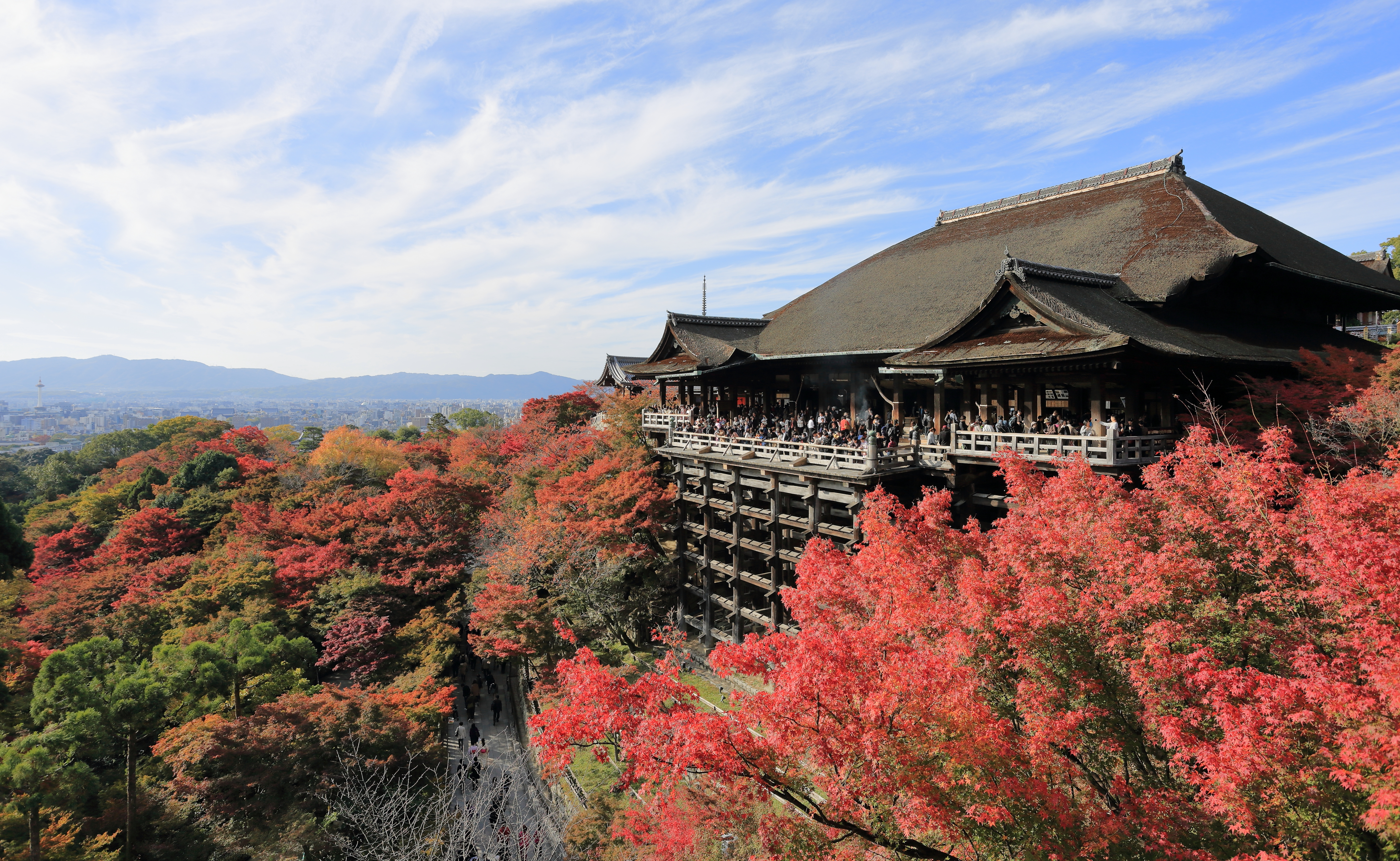
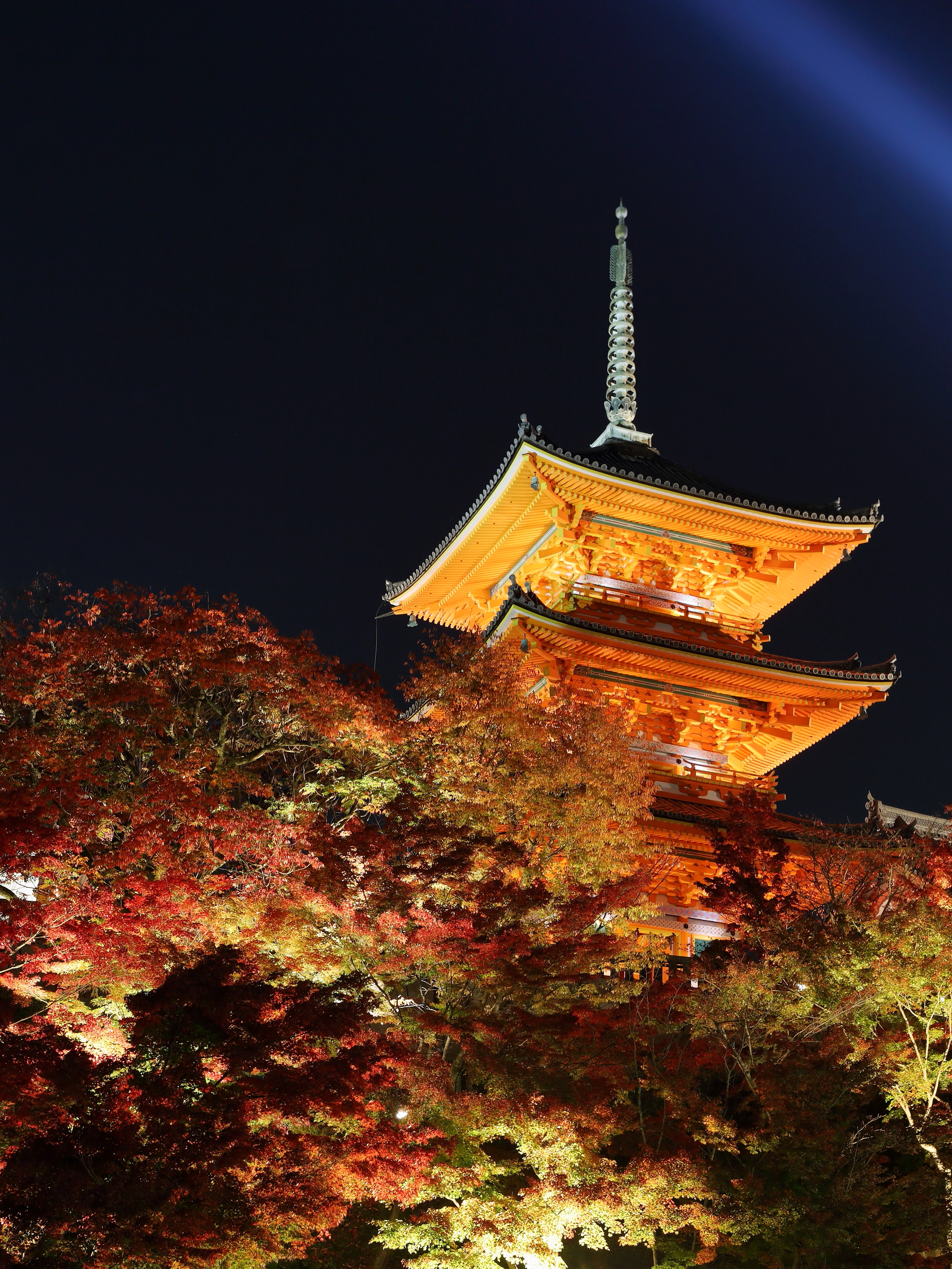
Marvel at the UNESCO-listed Kiyomizu-dera Temple, whose massive wooden terrace juts out over the hillside supported by 139 pillars without a single nail. This 8th-century temple offers sweeping views over Kyoto's forested hills and the city below, particularly breathtaking during cherry blossom and autumn foliage seasons. The temple's sacred Otowa Waterfall is believed to grant wishes.
3
Wander the enchanting historic streets of Sannenzaka and Ninenzaka, traditional stone-paved lanes lined with beautifully preserved wooden machiya houses. These atmospheric slopes leading to Kiyomizu-dera are filled with tea houses, pottery shops, and traditional sweet stores. The area perfectly captures the essence of old Kyoto and offers countless photo opportunities.
🎯

Activities

Explore the mysterious Gion district, Kyoto's most famous geisha quarter where traditional wooden machiya houses line narrow streets and geiko and maiko still practice their art. The Hanami-koji street offers the best chance of spotting these elegant entertainers hurrying to evening appointments. Traditional ochaya (tea houses) preserve centuries-old entertainment traditions.
Browse the colorful stalls of Nishiki Market, known as 'Kyoto's Kitchen,' stretching over five blocks with vendors selling fresh seafood, pickles, tofu, and seasonal delicacies. This 400-year-old market offers tastings of local specialties like yuba (tofu skin), Japanese sweets, and matcha treats. The market provides an authentic glimpse into Kyoto's culinary heritage.
Discover the hidden temples along the route from Fushimi Inari, including the peaceful Komyo-in with its contemplative zen garden and the historic Sennyu-ji, final resting place of many Japanese emperors. These lesser-visited temples offer intimate spiritual experiences away from the crowds, with beautiful gardens and ancient architecture.
7
Day

Kyoto

🔍

Discover

1
Wander through the otherworldly Arashiyama Bamboo Grove, where towering green stalks create a natural cathedral that filters sunlight into an ethereal glow. The rustling of bamboo in the breeze creates a sound so distinctive it's been designated a cultural treasure by the Japanese government. Early morning visits offer the most magical atmosphere before crowds arrive.
2
Explore Tenryu-ji Temple, a UNESCO World Heritage site featuring one of Japan's finest examples of borrowed scenery garden design, with the Arashiyama mountains forming a spectacular backdrop. Founded in 1339, this Zen temple's garden was designed by the famous landscape architect Muso Soseki and has remained virtually unchanged for 700 years. The reflection of the hills in the pond creates a living painting.
3
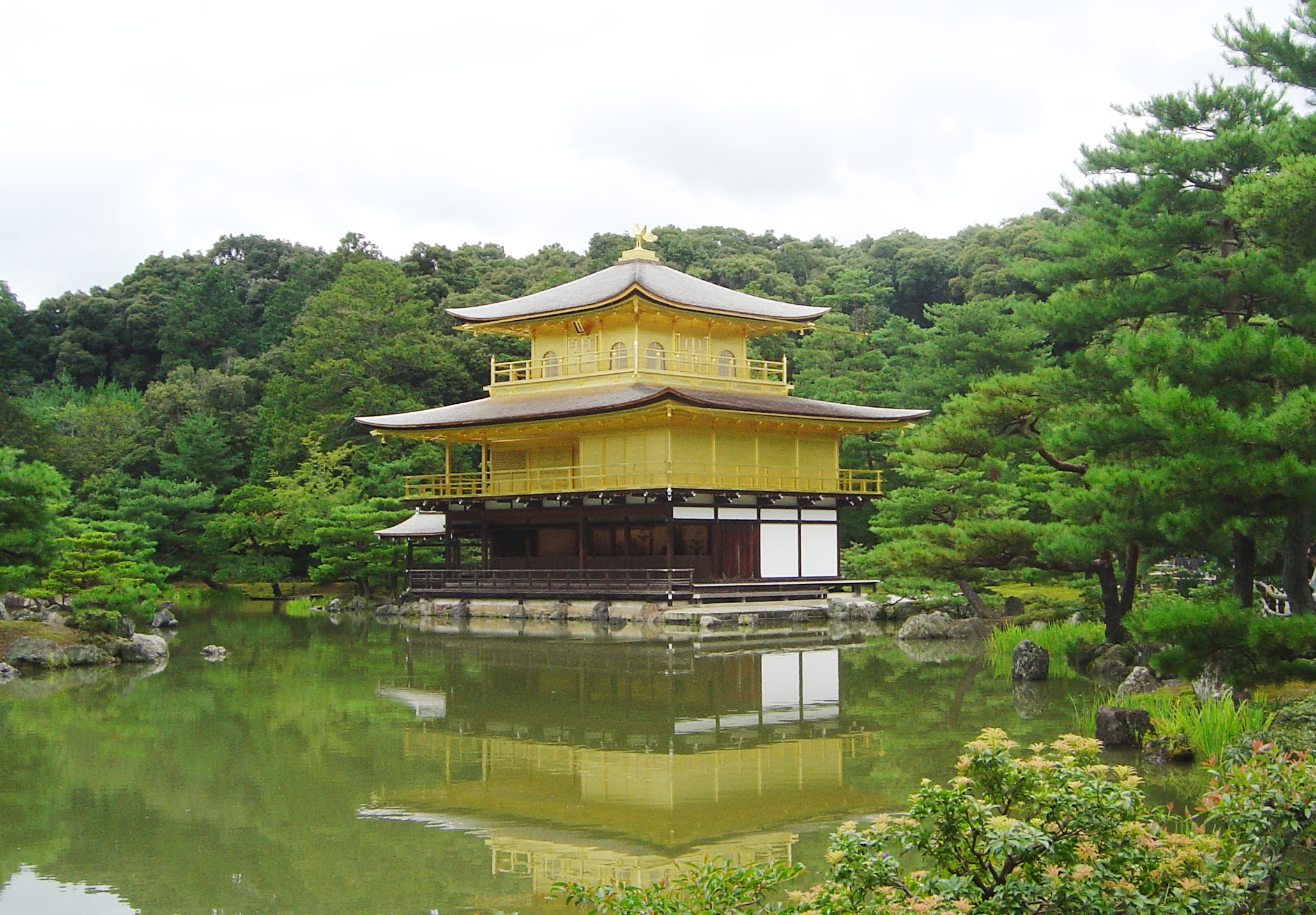
Visit the stunning Kinkaku-ji (Golden Pavilion), a Zen temple whose top two floors are completely covered in gold leaf, creating a dazzling reflection in the surrounding mirror pond. Originally built as a retirement villa for a shogun in 1397, the pavilion represents the harmony of heaven and earth in Buddhist cosmology. The meticulously maintained gardens showcase Japanese landscape perfection.
🎯

Activities

Cross the iconic Togetsukyo Bridge spanning the Katsura River, a symbol of Arashiyama since the Heian period offering sweeping views of the forested mountains and traditional boats. The bridge is particularly scenic when autumn colors paint the surrounding hills or during cherry blossom season. Rent a traditional rowboat to experience the river from a different perspective.
Tour the exquisite Okochi-Sanso Villa, the former home of silent film star Okochi Denjiro, featuring stunning stroll gardens with panoramic views of Kyoto and the surrounding mountains. This hidden gem at the end of the bamboo grove offers peaceful garden paths, traditional tea houses, and spectacular vistas. Admission includes matcha tea and sweets in a traditional setting.
Contemplate the profound simplicity of Ryoan-ji's rock garden, Japan's most famous Zen garden featuring 15 carefully arranged stones on raked white gravel. This minimalist masterpiece has puzzled and inspired visitors for over 500 years, with its meaning remaining deliberately ambiguous. The surrounding temple grounds include a beautiful pond garden and historic structures.
8
Day

Kyoto

🔍

Discover

1
Hike through the mystical mountain trails connecting Kurama and Kibune, two ancient villages north of Kyoto steeped in spiritual tradition. The forested path passes through giant cedar trees, moss-covered stones, and the powerful Kurama-dera Temple, believed to be home to supernatural tengu spirits. This sacred mountain has been a training ground for mountain ascetics for over 1,200 years.
2
Discover Kurama-dera Temple, dramatically perched on the mountainside and accessed by a scenic cable car or forest hiking trail. This mystical temple is associated with the legendary warrior Yoshitsune, who trained here as a boy, and is believed to possess powerful spiritual energy. The temple's main hall offers commanding views across the valley.
3
Visit the ethereal Kifune Shrine, dedicated to the god of water and nestled in a forested valley famous for its cool summer temperatures and mystical atmosphere. Red lanterns line the stone steps leading to the shrine, creating a particularly magical scene at dusk or in light rain. The shrine is popular for love fortune-telling using special water divination papers.
🎯

Activities

Walk the serene Philosopher's Path, a two-kilometer stone walkway following a cherry tree-lined canal connecting several of Kyoto's most beautiful temples. Named after the philosopher Nishida Kitaro who practiced meditation while walking here, the path invites contemplation and peaceful strolling. Charming cafés, boutiques, and galleries dot the route.
Explore Ginkaku-ji (Silver Pavilion), a Zen temple famous for its beautiful gardens and sand sculpture representing Mount Fuji and the sea, rather than any silver covering. The modest aesthetic of this 15th-century retreat reflects the refined wabi-sabi philosophy of finding beauty in imperfection. The moss garden and borrowed scenery design are considered artistic masterpieces.
Discover the hidden Honen-in Temple, a tranquil Zen retreat along the Philosopher's Path featuring a thatched gate, raked sand gardens, and moss-covered grounds. This intimate temple hosts seasonal art exhibitions and maintains an atmosphere of profound peace rarely found even in Kyoto. The sculptured sand mounds at the entrance are works of ephemeral art.
9
Day

Kyoto

🔍

Discover

1
Stand before the awe-inspiring Daibutsu at Todai-ji Temple in Nara, the world's largest bronze Buddha statue housed within the world's largest wooden building. This 15-meter seated Buddha, cast in 752 AD, required the labor of 2.6 million people and nearly bankrupted the Japanese government. The massive wooden hall, despite being rebuilt at only two-thirds its original size, remains an engineering marvel.
2
Wander through Nara Park, where over 1,000 sacred deer roam freely among ancient temples and shrines, bowing to visitors in exchange for special deer crackers. These gentle animals have been protected for centuries as divine messengers of the Shinto gods. The park encompasses many of Nara's UNESCO World Heritage sites within its vast green spaces.
3
Explore the ancient Kasuga Taisha Shrine, famous for its hundreds of bronze and stone lanterns donated by worshippers over the centuries. The vermilion structures set against the primeval forest create an atmosphere of timeless spirituality. Twice yearly, during the Mantoro Festival, all 3,000 lanterns are lit, transforming the shrine into a magical scene.
🎯

Activities

Visit the Nara National Museum to view one of Japan's finest collections of Buddhist art and treasures, including sacred statues and religious artifacts spanning 1,300 years. The museum's galleries provide essential context for understanding the Buddhist temples scattered throughout the ancient capital. Special exhibitions during the Shoso-in treasure season reveal imperial treasures rarely displayed.
Stroll through Naramachi, the traditional merchant district of Nara, where narrow lanes wind between beautifully preserved machiya townhouses converted into craft shops, galleries, and cafés. This atmospheric neighborhood offers glimpses into Nara's Edo-period prosperity and features unique local crafts including Nara-sarashi textiles and traditional calligraphy brushes.
Find peace in the exquisite Isuien Garden, a masterpiece of Japanese landscape design using 'borrowed scenery' to incorporate Todai-ji Temple and Mount Wakakusa into its composition. This Meiji-era garden features two distinct sections representing different design philosophies, connected by traditional tea houses. The garden offers one of Nara's most photographed views.
🚗
Next stop
Distance: 342 km
Travel time: 2h
10
Day

Miyajima

🔍

Discover

1
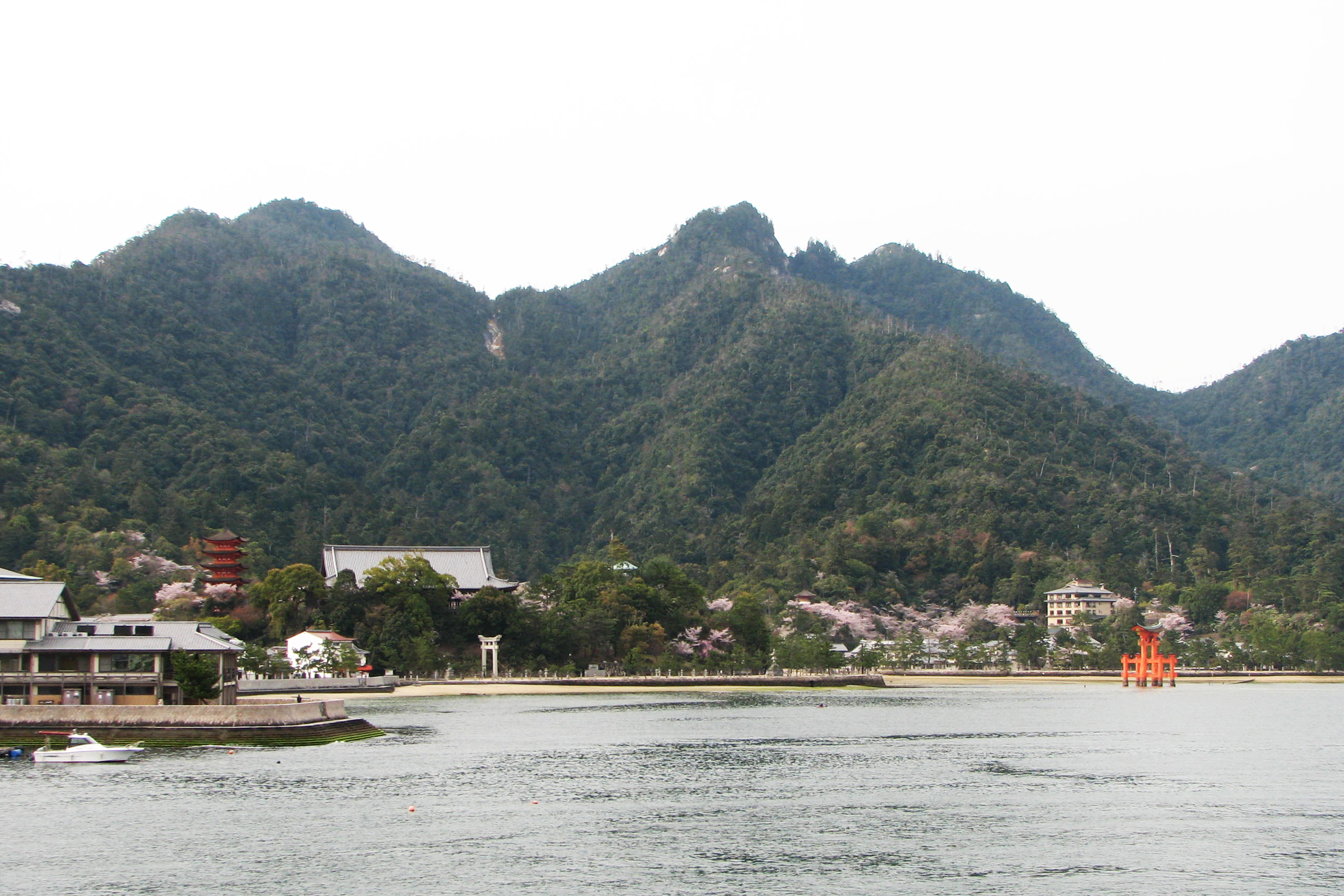
Behold the iconic floating torii gate of Itsukushima Shrine, one of Japan's most photographed landmarks appearing to float on the sea during high tide. This vermilion gate, standing 16 meters tall, has marked the boundary between the sacred island and the mortal world since 1168. The UNESCO World Heritage shrine complex itself seems to float on its pier-like structures during high water.
2
Hike to the summit of Mount Misen, Miyajima's sacred peak offering panoramic views across the Seto Inland Sea and its scattered islands. The primeval forest covering the mountain has been preserved for centuries as a sacred space and is home to wild deer and rare vegetation. The Eternal Flame at the summit has burned continuously for over 1,200 years since being lit by the monk Kobo Daishi.
3
Explore the magnificent Daisho-in Temple, one of the most important Shingon Buddhist temples in western Japan, featuring countless religious statues, halls, and spiritual experiences. Spin the prayer wheels lining the stairs, each containing Buddhist sutras, and discover hidden caves and meditation spaces. The temple's autumn foliage is considered among Miyajima's most beautiful.
🎯

Activities

Stroll through peaceful Momijidani Park at the base of Mount Misen, famous for its 200 maple trees creating spectacular autumn foliage displays. The park offers the starting point for hiking trails and access to the ropeway ascending the mountain. Even outside autumn, the shaded paths and gentle streams provide a refreshing escape.
Experience a night on Miyajima after the day-trippers depart, when the island reveals its mystical atmosphere and the illuminated torii gate reflects on the calm evening waters. Staying in a traditional ryokan allows you to experience the island's tranquility, enjoy kaiseki cuisine, and witness both sunset and sunrise over the sacred gate.
Sample Miyajima's famous local specialties, including momiji manju (maple-leaf-shaped cakes filled with sweet bean paste) and grilled conger eel (anago). Watch craftspeople hand-make the iconic sweets and discover the island's tradition of giant wooden rice paddles, considered good luck charms. The small shopping street offers unique souvenirs found nowhere else.
🚗
Next stop
Distance: 30 km
Travel time: 45min
11
Day

Hiroshima

🔍

Discover

1
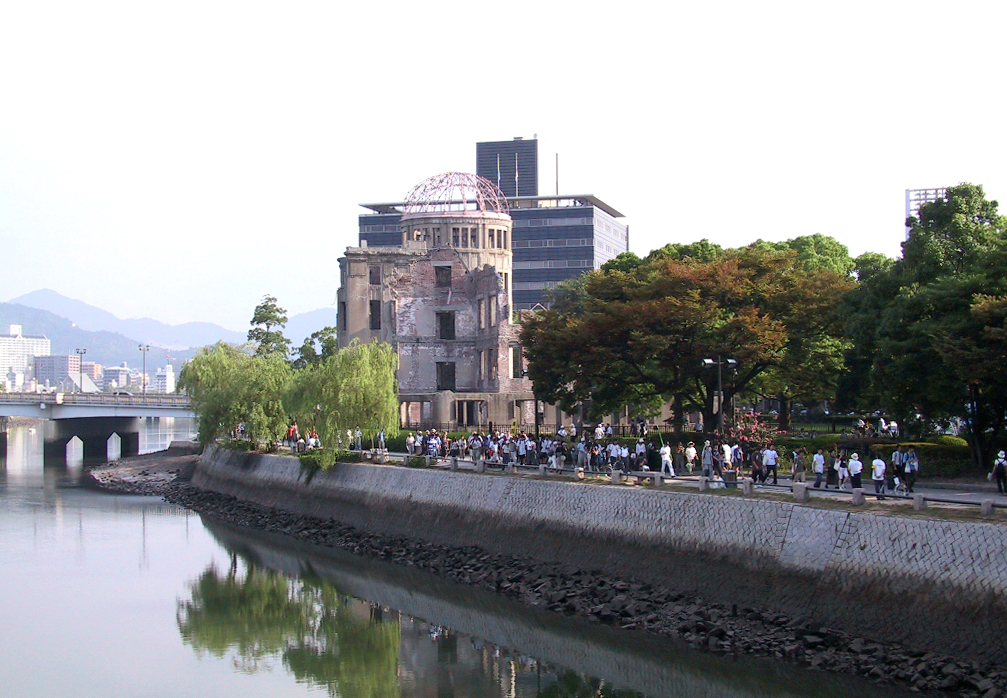
Pay respects at the Hiroshima Peace Memorial Park, a profound space dedicated to the victims of the world's first atomic bombing and the pursuit of lasting peace. The park encompasses memorials, monuments, and the haunting A-Bomb Dome, preserved as it stood after the explosion. This UNESCO World Heritage site serves as both a memorial and a powerful message for nuclear disarmament.
2
Visit the Hiroshima Peace Memorial Museum, whose exhibits present the reality of the atomic bombing through survivors' belongings, photographs, and personal testimonies. The museum chronicles events before, during, and after August 6, 1945, creating a deeply moving educational experience. Recent renovations have enhanced the focus on individual human stories.
3
Stand before the Atomic Bomb Dome (Genbaku Dome), the skeletal remains of the Hiroshima Prefectural Industrial Promotion Hall that survived nearly directly beneath the explosion. This UNESCO World Heritage structure serves as a stark reminder of the bomb's destructive power and humanity's capacity for both destruction and resilience. The dome has become an international symbol of peace.
🎯

Activities

Explore Hiroshima Castle, faithfully reconstructed after its complete destruction in the atomic bombing, now housing a museum dedicated to the city's pre-war history and samurai culture. The castle, originally built in 1589, offers views over the city from its observation deck and displays armor, swords, and historical artifacts. The surrounding moat and grounds provide pleasant walking paths.
Discover the serene beauty of Shukkei-en Garden, a traditional Japanese stroll garden dating to 1620, designed to represent famous landscapes in miniature. The garden features valleys, mountains, forests, and beaches compressed into a single scenic pond garden. Though destroyed in 1945, the garden was carefully restored to its original Edo-period design.
Experience Hiroshima's vibrant modern culture and famous okonomiyaki, the savory pancakes layered with noodles, cabbage, pork, and special sauce that differ distinctly from Osaka style. The city has rebuilt into a thriving metropolis that celebrates life while never forgetting its past. The evening atmosphere along the Hon-dori shopping arcade showcases the city's resilient spirit.
🚗
Next stop
Distance: 160 km
Travel time: 40min
12
Day

Okayama

🔍

Discover

1
Stroll through Korakuen Garden, celebrated as one of Japan's three most beautiful landscape gardens, featuring meticulously designed lawns, ponds, and groves created over 300 years ago. The garden uniquely incorporates sweeping lawns rare in traditional Japanese design, along with plum and cherry groves, tea fields, and crane aviaries. Views across the pond to black Okayama Castle complete the scenery.
2
Explore Okayama Castle, nicknamed 'Crow Castle' for its striking black exterior, contrasting dramatically with the white castles typical of Japan. Originally built in 1597, the reconstructed castle houses a museum of local history and offers panoramic views from its top floor. The castle's location on the Asahi River creates beautiful reflections and photo opportunities.
3
Wander through the historic Bikan Quarter of Kurashiki, where white-walled warehouses with distinctive black tiles line a willow-draped canal, creating one of Japan's most picturesque townscapes. These Edo-period storehouses, once used for rice and cotton trade, now house museums, boutiques, and cafés. Punt boat rides along the canal offer romantic views of this perfectly preserved merchant district.
🎯

Activities

Visit the Ohara Museum of Art in Kurashiki, Japan's first private museum of Western art, housing an impressive collection including works by El Greco, Monet, and Picasso. The Greek-inspired building stands as an unexpected cultural treasure in this traditional merchant town. The museum complex also features Asian antiquities and contemporary Japanese art galleries.
Discover the ancient Kibitsu Shrine with its unique architecture and famous 400-meter covered corridor connecting to the Kibitsu-jinja shrine. This atmospheric structure, designated a National Treasure, inspired the folk tale of Momotaro (Peach Boy), one of Japan's most beloved legends. The shrine is especially beautiful during the hydrangea season.
Explore the charming shops and galleries of Kurashiki's Bikan district, where traditional crafts, denim products (the region is Japan's denim capital), and local delicacies await discovery. The preserved buildings create a unique shopping experience unlike anywhere else in Japan. Evening illuminations transform the canal district into a romantic wonderland.
🚗
Next stop
Distance: 180 km
Travel time: 1h
13
Day

Osaka

🔍

Discover

1
Explore magnificent Osaka Castle, one of Japan's most famous landmarks rising majestically from a vast park surrounded by impressive stone walls and moats. The reconstructed castle houses an extensive museum chronicling the life of Toyotomi Hideyoshi and the castle's dramatic history. The observation deck offers panoramic views across Osaka, and the grounds are spectacular during cherry blossom season.
2
Immerse yourself in the electric atmosphere of Dotonbori, Osaka's legendary entertainment district where giant neon signs, including the iconic Glico Running Man, reflect on the Dotonbori Canal. This sensory overload of lights, sounds, and incredible food represents Osaka's reputation as Japan's kitchen. The area comes alive at night with street performers and endless dining options.
3
Browse the bustling stalls of Kuromon Ichiba Market, Osaka's 'Kitchen' for over 190 years, where chefs and food lovers seek the freshest seafood, produce, and prepared delicacies. Sample giant grilled scallops, sea urchin, Kobe beef skewers, and the region's best sashimi as you wander the covered arcade. The market offers one of Japan's most authentic and delicious food experiences.
🎯

Activities

Ascend the futuristic Umeda Sky Building, an architectural marvel with its distinctive floating garden observatory connecting twin towers 40 stories above ground. The 360-degree open-air deck offers spectacular views of Osaka's urban sprawl, particularly stunning at sunset when the city lights begin twinkling. The basement food court recreates a nostalgic early 20th-century streetscape.
Discover the atmospheric Shinsekai district, a retro entertainment quarter preserving the atmosphere of early 20th-century Osaka, crowned by the iconic Tsutenkaku Tower. This nostalgic neighborhood is famous for kushikatsu (deep-fried skewers) served in boisterous old-school restaurants. The area offers an authentic taste of working-class Osaka culture rarely experienced by tourists.
Visit the vibrant Namba Yasaka Shrine, instantly recognizable for its giant lion head stage where the enormous mouth serves as a performance space. This unique architectural feature is believed to swallow evil spirits and bring good fortune, making it popular with those seeking luck in business and exams. The shrine offers one of Osaka's most unusual and photogenic sights.
14
Day

Osaka

🔍

Discover

1
Experience Expo 2025 Osaka, a world's fair bringing together innovations, cultures, and visions for the future from nations around the globe. The exposition showcases cutting-edge technology, sustainable solutions, and creative pavilions designed by world-renowned architects. This once-in-a-lifetime event transforms Yumeshima Island into a celebration of human achievement and international cooperation.
🎯

Activities

Explore the diverse national pavilions at Expo 2025, each offering unique architectural expressions and interactive exhibits representing their country's innovations and cultural heritage. From virtual reality experiences to sustainable technology demonstrations, the pavilions provide fascinating glimpses into global progress. Allow a full day to appreciate the scope and variety of exhibits.
Sample international cuisines at the Expo's food zones, featuring restaurants and food stalls representing culinary traditions from participating nations. The fair offers rare opportunities to taste authentic dishes from countries rarely represented in Japan. Food and cultural performances combine to create a truly global experience.
Attend performances and events at the Expo's entertainment venues, featuring artists, musicians, and cultural presentations from around the world. Evening illuminations and special shows transform the Expo site into a spectacular display of light and creativity. The combination of technology, art, and international exchange creates unforgettable experiences.
15
Day

Osaka

🔍

Discover

1
Wander through Kobe's charming Kitano-cho district, where over 20 elegantly preserved ijinkan (foreign residences) recall the city's cosmopolitan history as an international trading port. These Victorian and colonial-era mansions, built by Western merchants in the late 19th century, now serve as museums showcasing European furniture, art, and lifestyles. The hillside neighborhood offers beautiful views and a distinctly European atmosphere unique in Japan.
2
Soar above the city on the Kobe Nunobiki Ropeway to the Herb Gardens, a fragrant paradise of themed gardens offering panoramic views of Kobe, the harbor, and Osaka Bay. The expansive gardens feature over 200 varieties of herbs and flowers, a German-style restaurant, and seasonal events. The views from the observation plaza are especially magical at sunset.
3
Explore Kobe Harborland, a stylish waterfront development featuring the iconic Kobe Port Tower, historic red-brick warehouses, and the giant Ferris wheel offering bay views. This entertainment district combines shopping, dining, and maritime attractions in a scenic harbor setting. Evening illuminations create a romantic atmosphere along the waterfront promenade.
🎯

Activities

Savor world-famous Kobe beef at one of the city's renowned teppanyaki restaurants, where master chefs prepare exquisitely marbled wagyu before your eyes. The legendary beef, raised from Tajima cattle under strict standards, offers unparalleled tenderness and flavor. Lunch courses offer more affordable ways to experience this culinary treasure.
Visit the ancient Ikuta Shrine, one of Japan's oldest Shinto shrines dating back 1,800 years, tucked amid Kobe's modern downtown. The shrine's peaceful forest survived the 1995 earthquake and provides a spiritual oasis in the bustling city center. The shrine is popular for weddings and offers unique charms and fortunes.
Stroll through Nankinmachi, Kobe's vibrant Chinatown, one of only three major Chinatowns in Japan, featuring ornate gates, temples, and countless restaurants. The compact district buzzes with food stalls selling steamed buns, dumplings, and Chinese sweets. The area reflects Kobe's long history as an international trading port.
🚗
Next stop
Distance: 50 km
Travel time: 1h
16
Day

Kansai Airport

🔍

Discover

1
Depart from Kansai International Airport, an architectural marvel built on a man-made island in Osaka Bay, designed by renowned architect Renzo Piano. The airport's elegant terminal, shaped like an aircraft wing, offers excellent shopping and dining facilities for last-minute souvenirs and Japanese cuisine. Arrive early to explore the observation deck for final views of the bay and surrounding mountains before bidding farewell to Japan.
🎯

Activities

Browse the extensive duty-free shopping areas offering Japanese crafts, electronics, cosmetics, and regional food specialties. The airport provides an excellent opportunity to pick up last-minute gifts including matcha products, sake, and traditional sweets. Several restaurants serve quality Japanese dishes for one final taste of the country's cuisine.

🗺️ Itinerary map

🗺️ Nearby itineraries

🛡️ Travel advice - Japan

Check official recommendations

UK Foreign Travel Advice →

❓ Frequently asked questions

What weather should you expect?

Spring (March-May): Cherry blossom season, perfect weather, mild temperatures, iconic sakura viewing, peak tourist season, advance booking essential, magical atmosphere.

Fall (September-November): Autumn colors, comfortable weather, clear skies, beautiful foliage, excellent touring, fewer crowds, ideal photography, pleasant conditions.

Summer (June-August): Hot humid weather, rainy season, festival season, vibrant atmosphere, mountain hiking, beach activities, air conditioning essential.

Winter (December-February): Cold weather, snow sports, illuminations, onsen season, fewer crowds, winter festivals, cozy atmosphere, skiing opportunities.

How many days should I plan?

We believe you will enjoy this itinerary best by dedicating between 14 and 20 days. The next step will allow you to adjust the duration of your stay.

What to discover in Japan?

Unique culture with ancient traditions, modern innovation, and incredible attention to detail. Experience temples, technology, and authentic Japanese lifestyle. The country offers cultural immersion with natural beauty and culinary excellence. Japan provides transformative cultural experiences with historical depth and modern sophistication.