📍 Portugal

LISBON AND SINTRA ESCAPE: TAGUS VIEWS AND ROYAL PALACES

Vintage trams climbing cobbled hills, sunset gilding the Tagus, fairytale palaces crowning misty peaks. Two days, centuries of wonders.

≈ 2
Days
30
Km
2
Stops
📖 3 min read 🔄 Last updated: 2026-01-17

Ride Lisbon by tram through Alfama, then climb toward miradouros to watch the Tagus change color. Reach Sintra and its misty hills, discover Pena Palace and Moorish castle ruins. Between azulejos, forest and panoramas, escape happens steps from the capital.

Your day-by-day itinerary

1
Day

Lisbon

miradouro sunset tram twenty-eight fado nights

🔍

Discover

1
Jour 1: Begin your Lisbon adventure at the magnificent Praça do Comércio, the city's grandest square opening dramatically onto the Tagus River. This monumental waterfront plaza, rebuilt after the devastating 1755 earthquake, served as the ceremonial entrance to Portugal's capital for arriving dignitaries. The elegant arcaded buildings and triumphal arch create one of Europe's most impressive urban spaces.
2
Jour 1: Stroll along Rua Augusta, Lisbon's vibrant pedestrian thoroughfare connecting the waterfront to the heart of the Baixa district. This lively street buzzes with outdoor cafés, traditional shops, and street performers beneath elegant 18th-century façades. Climb to the top of the Arco da Rua Augusta for sweeping views over the geometric streets of downtown and the glittering Tagus beyond.
3
Jour 1: Ascend in the Elevador de Santa Justa, an extraordinary neo-Gothic iron lift designed by a student of Gustave Eiffel in 1902. This remarkable piece of urban engineering whisks passengers 45 meters up through an ornate wrought-iron tower to connect the Baixa with the Carmo neighborhood above. The viewing platform at the summit reveals a stunning panorama across Lisbon's terracotta rooftops.
4
Jour 1: Explore the hauntingly beautiful ruins of the Convento do Carmo, a Gothic monastery left roofless since the catastrophic earthquake of 1755. The skeletal arches reaching toward the open sky create one of Lisbon's most atmospheric and photographed sites. Today the ruins house an archaeological museum with artifacts spanning from prehistoric times to the medieval period.
+8 Places visited
🎯

Activities

Jour 1: Wander through the elegant Chiado district, Lisbon's traditional quarter of intellectuals, artists, and literary cafés where Fernando Pessoa once held court. This sophisticated neighborhood bridges the lower city with the bohemian heights of Bairro Alto, offering excellent shopping, historic theaters, and charming squares. The area's cultural significance and refined atmosphere make it perfect for an afternoon of exploration.
Jour 2: Ride the legendary Tram 28, a vintage yellow streetcar that rattles through Lisbon's most picturesque neighborhoods on its winding route across the city. This living piece of transport history climbs impossibly steep streets, squeezes through narrow passages, and passes major landmarks from Alfama to Estrela. The journey aboard these century-old wooden trams provides an authentic and scenic way to experience the city's dramatic topography.
Jour 2: Watch sunset from the Miradouro de Santa Luzia, a romantic terrace overlooking the Alfama rooftops and the sparkling Tagus River. Bougainvillea-draped pergolas, decorative azulejo panels, and palm trees frame views that stretch from the dome of the National Pantheon to the distant hills. This beloved viewpoint captures the essence of Lisbon's melancholic beauty as the city glows in the evening light.
+3 Optional activities
🚗
Next stop
Distance: 30 km
Travel time: 36min
2
Day

Sintra

pena palace moorish castle misty romanticism

🔍

Discover

1
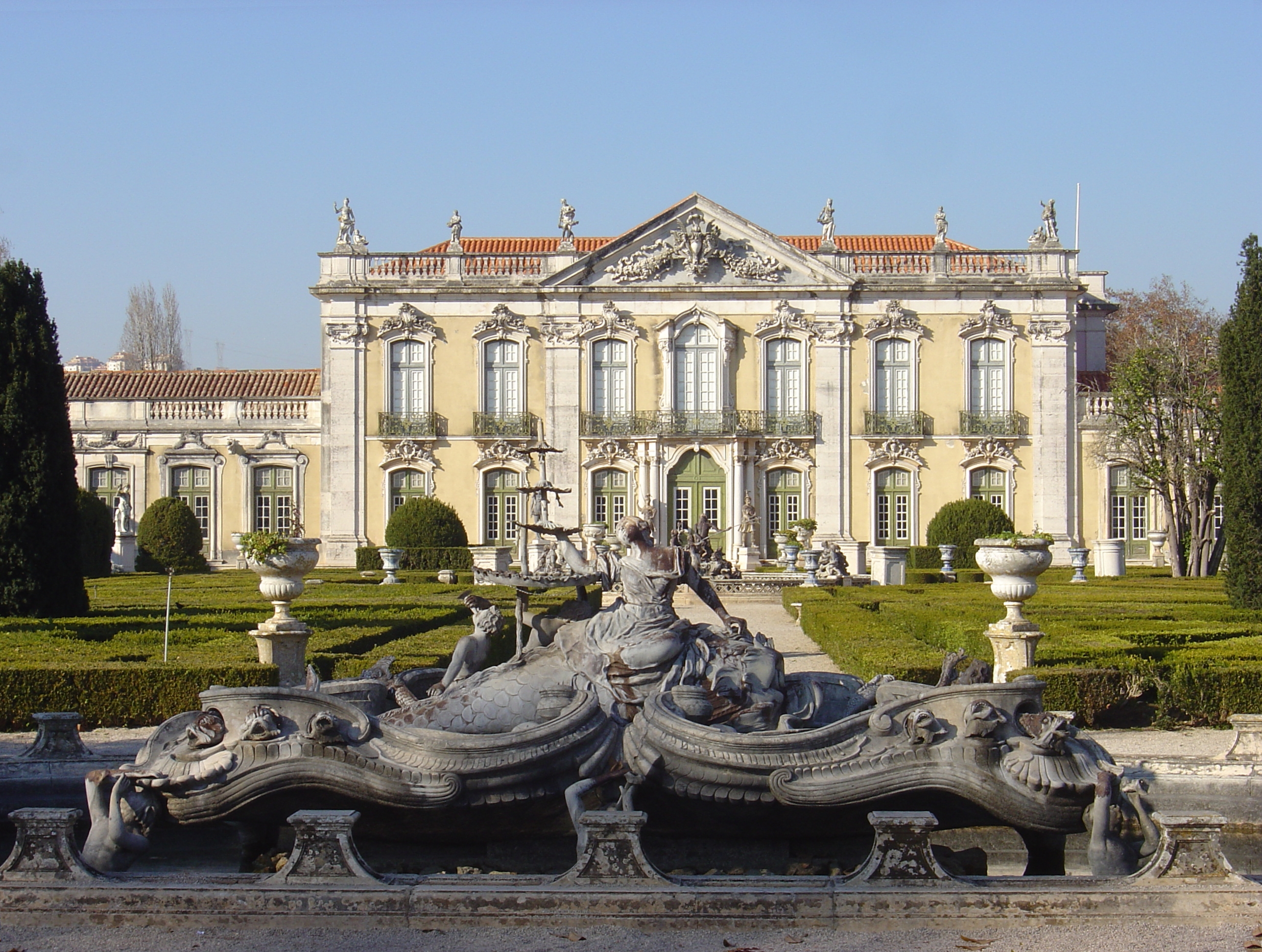
Journey to Sintra, a UNESCO World Heritage cultural landscape where romantic palaces rise from forested hillsides in one of Europe's most enchanting settings. Portuguese royalty and aristocrats chose this misty mountain retreat for their summer residences, leaving behind an extraordinary concentration of architectural treasures. The town's fairytale atmosphere has captivated visitors from Lord Byron to modern-day travelers.
2
Explore the Palácio Nacional de Sintra, the medieval royal palace dominating the town center with its distinctive conical kitchen chimneys visible for miles around. This summer residence of Portuguese monarchs preserves remarkable interiors including rooms entirely covered in decorative azulejo tiles and elaborate Mudéjar ceilings. The palace represents the longest continuously inhabited royal residence in Portugal.
3
Ascend to the Palácio da Pena, a flamboyant 19th-century palace crowning the highest peak in the Sintra hills in an explosion of color and architectural fantasy. This romantic masterpiece combines Gothic towers, Manueline decoration, Moorish elements, and Renaissance domes in a riot of yellows, reds, and blues. The surrounding park of exotic trees and hidden pathways extends the magical atmosphere across the mountainside.
4
Stand at Cabo da Roca, the westernmost point of continental Europe, where dramatic cliffs plunge into the Atlantic beneath a historic lighthouse. This windswept headland marks where the European landmass meets the ocean, a geographic milestone celebrated with a monument and certificate for visitors. The raw power of the setting-crashing waves, soaring cliffs, and endless horizon-creates a profound sense of standing at the edge of the world.
+1 Places visited
🎯

Activities

Wander through Sintra's romantic gardens and parks, where winding paths lead past fountains, follies, and viewpoints revealing glimpses of palaces through the trees. The lush vegetation thrives in the unique microclimate created by Atlantic moisture collecting on the mountain slopes. These verdant landscapes were as carefully composed as any palace interior, creating outdoor rooms of botanical wonder.

🗺️ Itinerary map

🗺️ Nearby itineraries

🛡️ Travel advice - Portugal

Check official recommendations

UK Foreign Travel Advice →

❓ Frequently asked questions

What weather should you expect?

Late Spring (April-June): Perfect weather conditions (18-25°C) with mild temperatures, moderate rainfall, and blooming landscapes. Ideal for exploring cities, coastal areas, and countryside with comfortable conditions and fewer crowds than summer.

Early Autumn (September-October): Excellent temperatures after summer heat, warm ocean waters, and stable weather patterns. Best time for beach activities combined with cultural exploration, moderate prices and pleasant conditions.

Winter (November-March): Mild temperatures (10-18°C) with increased rainfall but lowest prices and authentic experiences. Good for cultural immersion, indoor attractions, and experiencing Portuguese daily life without tourist crowds.

Summer (July-August): Peak season with hottest weather (25-35°C), highest prices, and largest crowds. Perfect for beach holidays but challenging for extensive sightseeing in inland areas due to heat intensity.

How many days should I plan?

We believe you will enjoy this itinerary best by dedicating between 2 and 2 days. The next step will allow you to adjust the duration of your stay.

What to discover in Portugal?

Atlantic charm with stunning coastlines, rich history, and authentic culture. Experience traditional fado music, beautiful cities, and genuine Portuguese hospitality. The country offers cultural depth with natural beauty and culinary excellence. Portugal provides authentic European experiences with natural wonders and cultural richness.