SECRET SRI LANKA: HIDDEN TRAILS BEYOND THE TOURIST MAPS
Leopards melting into wilderness, forest-swallowed ruins guarding mysteries, pilgrims walking on embers. Secret Sri Lanka.
Explore Wilpattu and its wild landscapes, then discover Ritigala and its ruins hidden in forest. Reach Arugam Bay to feel the coastal energy, then follow Batticaloa lagoon before reaching Kataragama, pilgrimage high place. This more secret Sri Lanka blends nature, spirituality and roads that stray from the obvious.
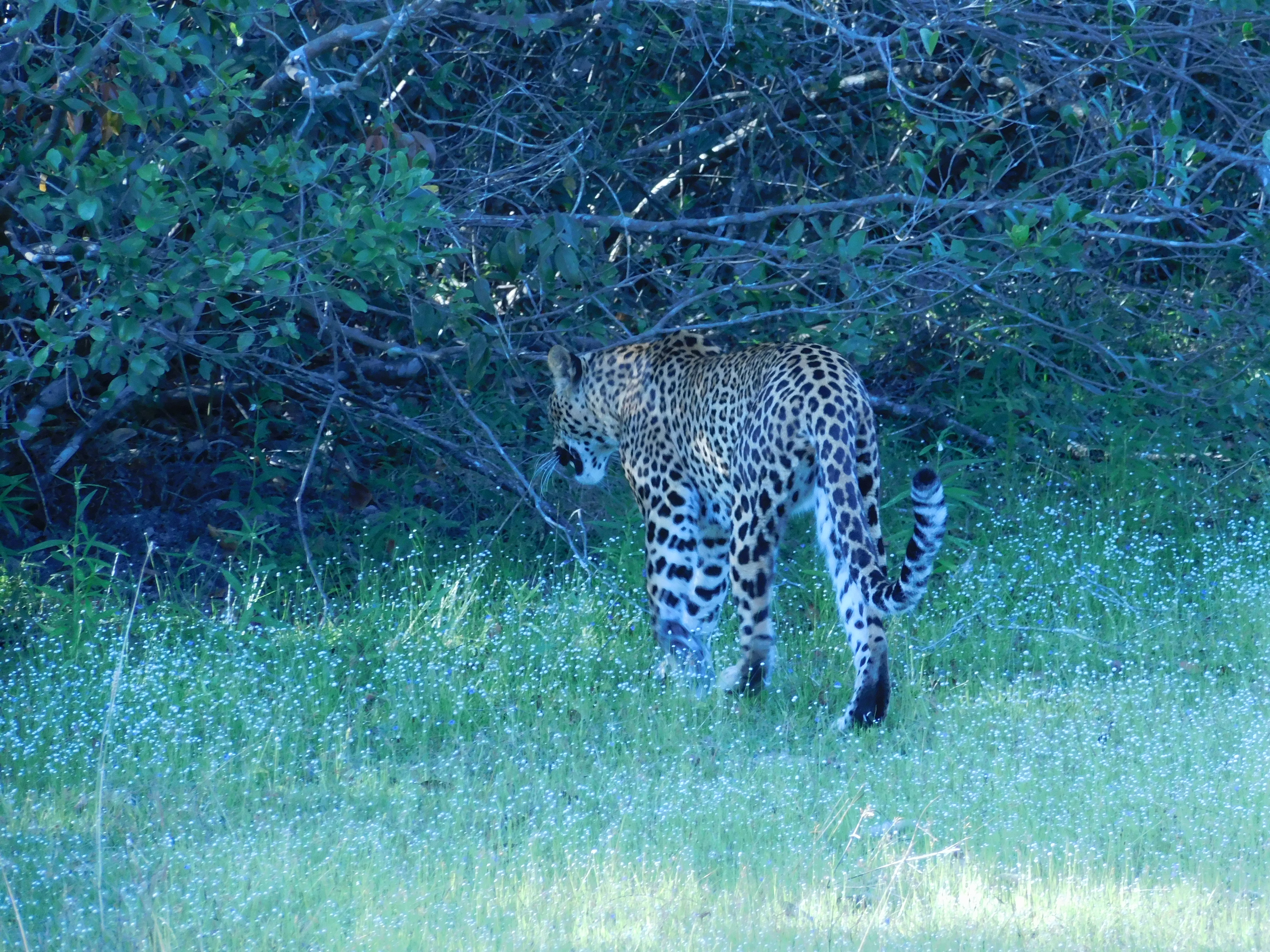
- Wilpattu: leopard wilderness untamed
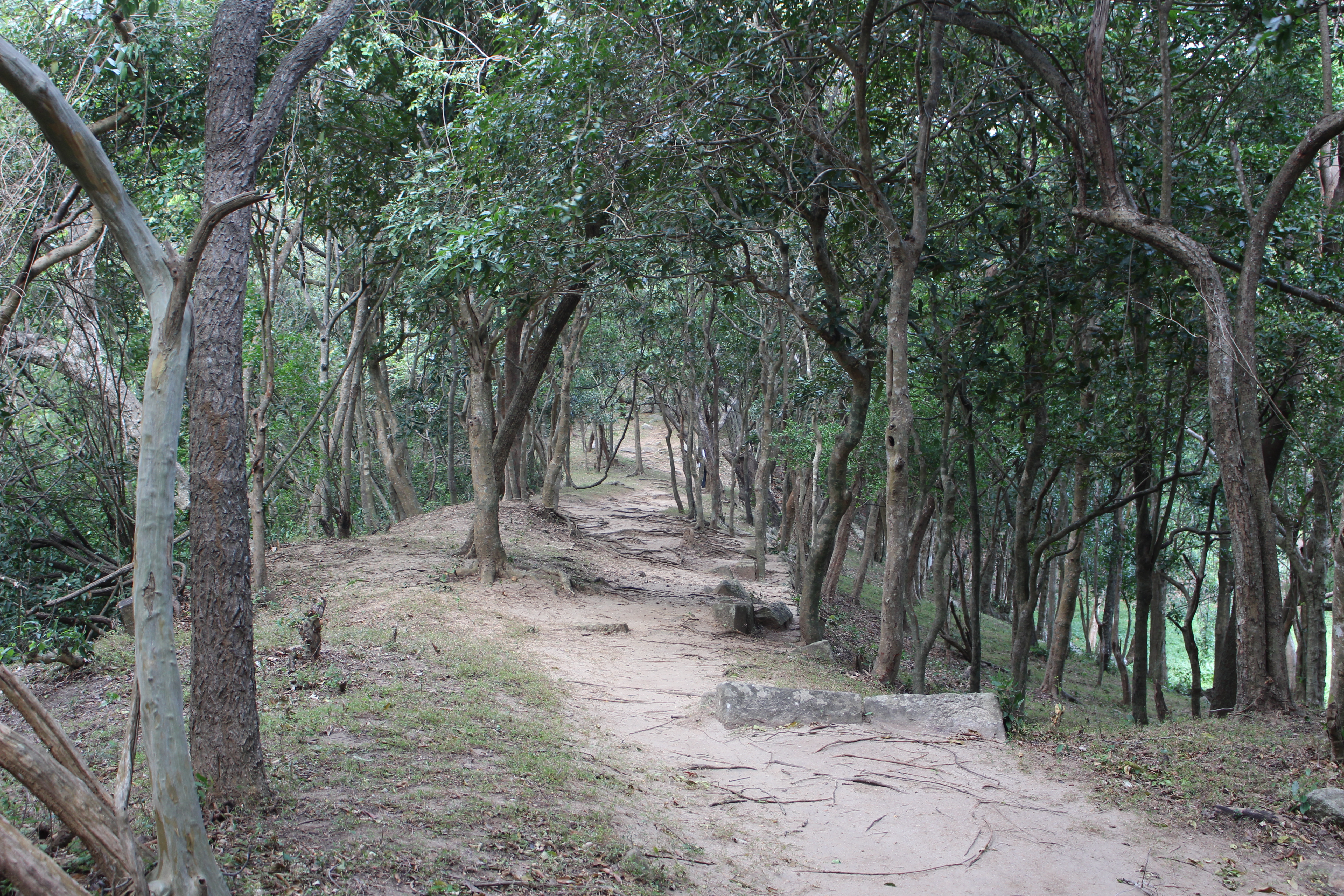
- Ritigala: forest monastery mysteries
- Arugam Bay: legendary surf breaks
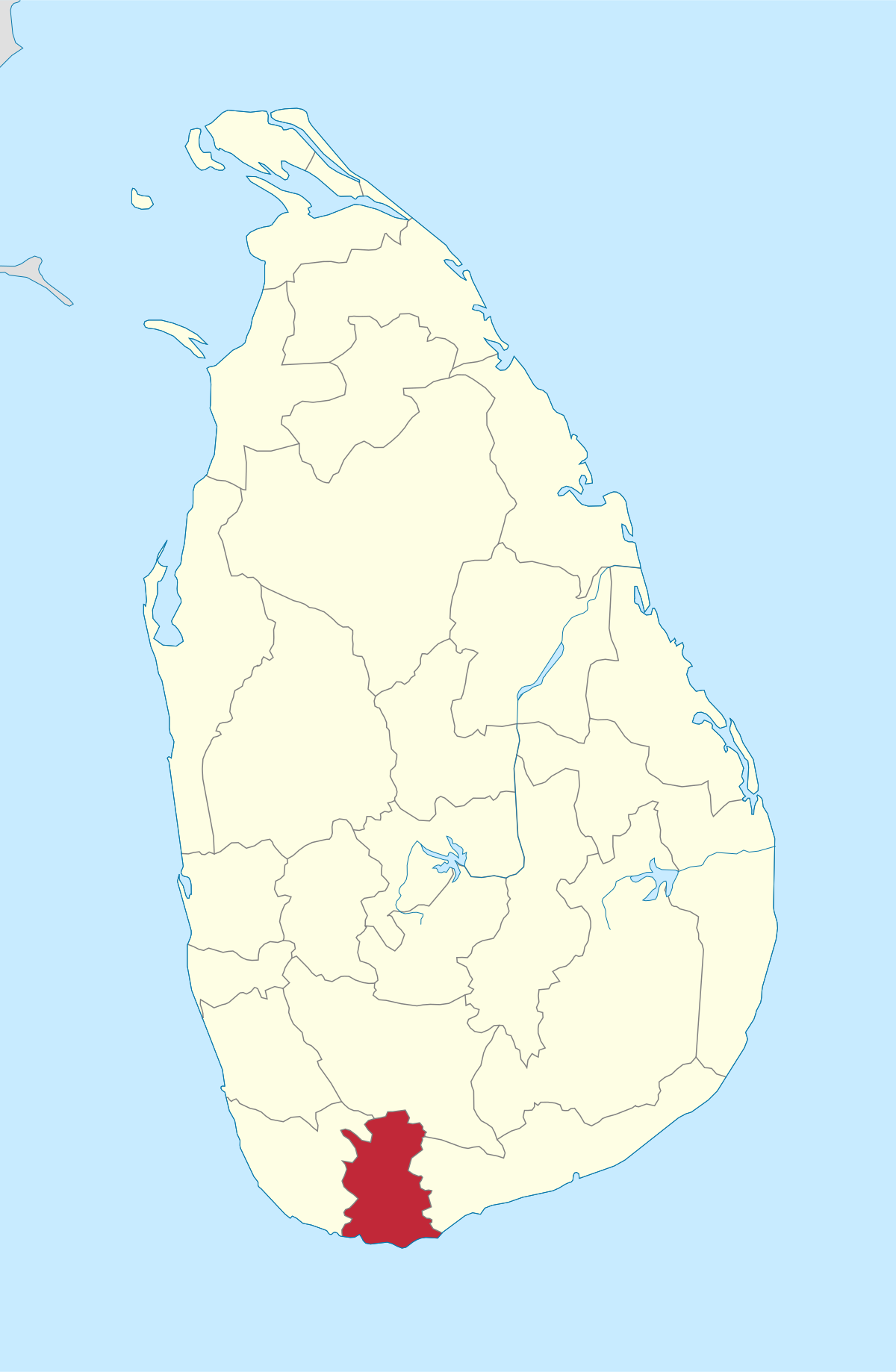
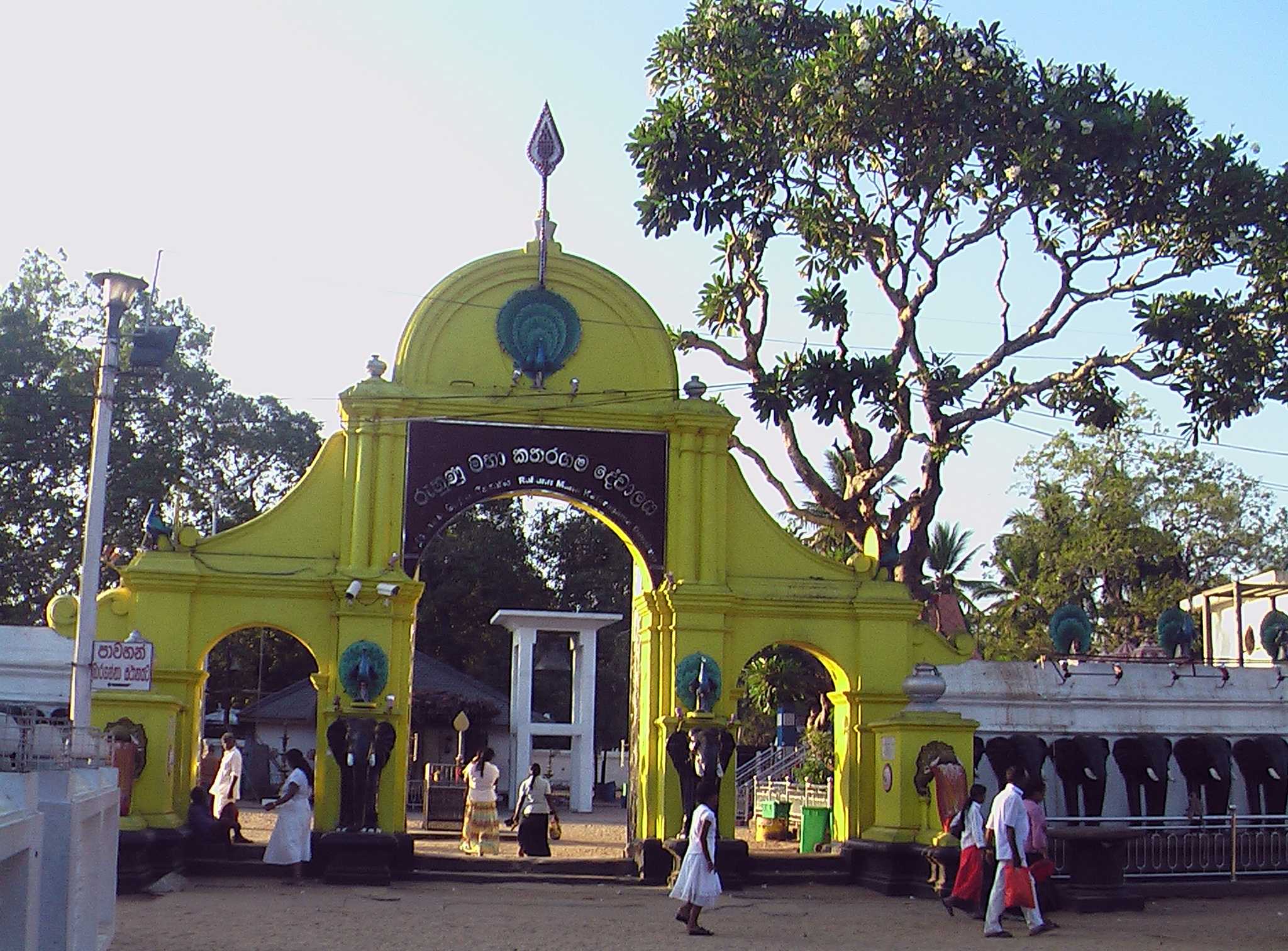
- Kataragama: fire walking devotion
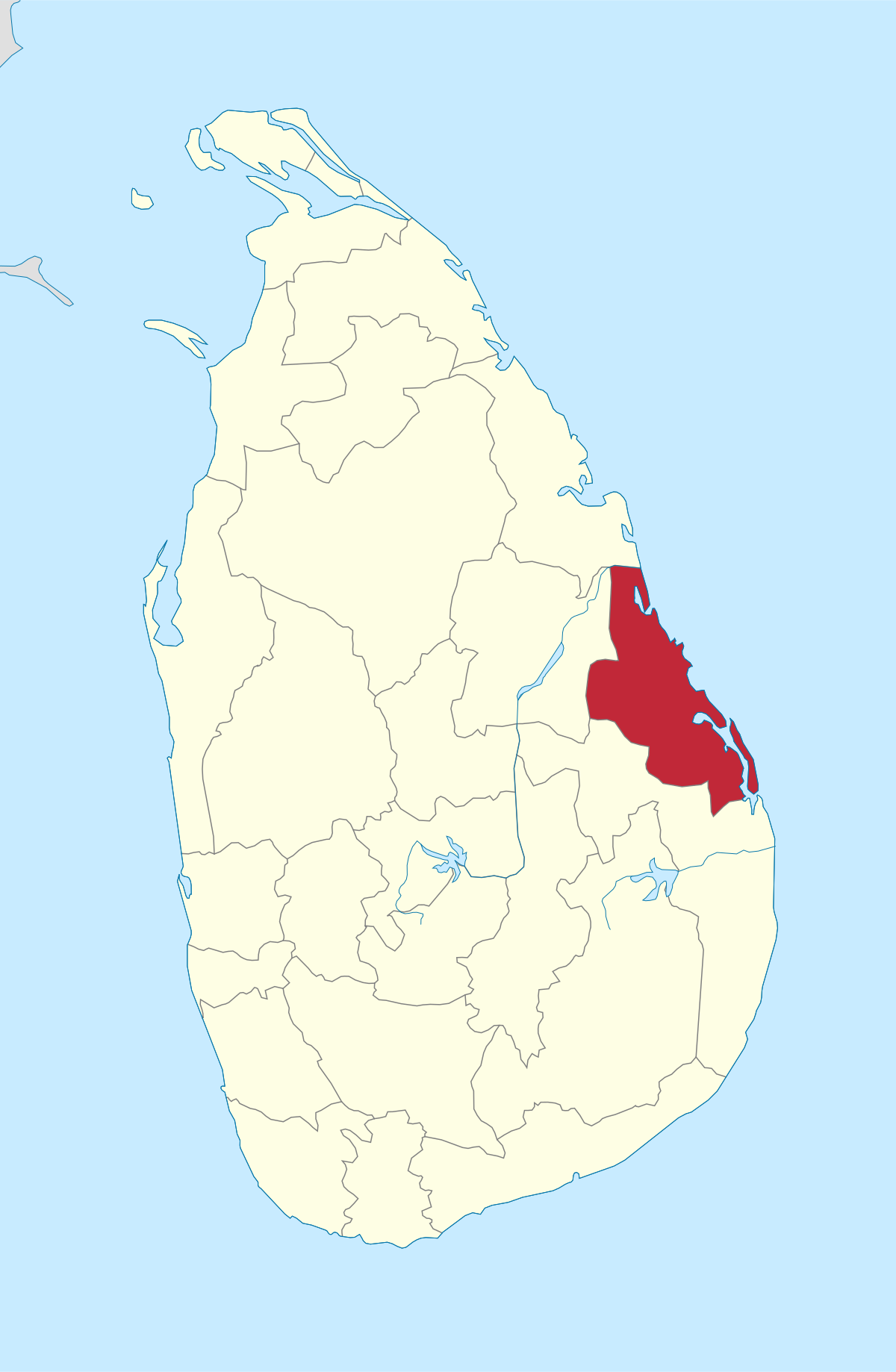
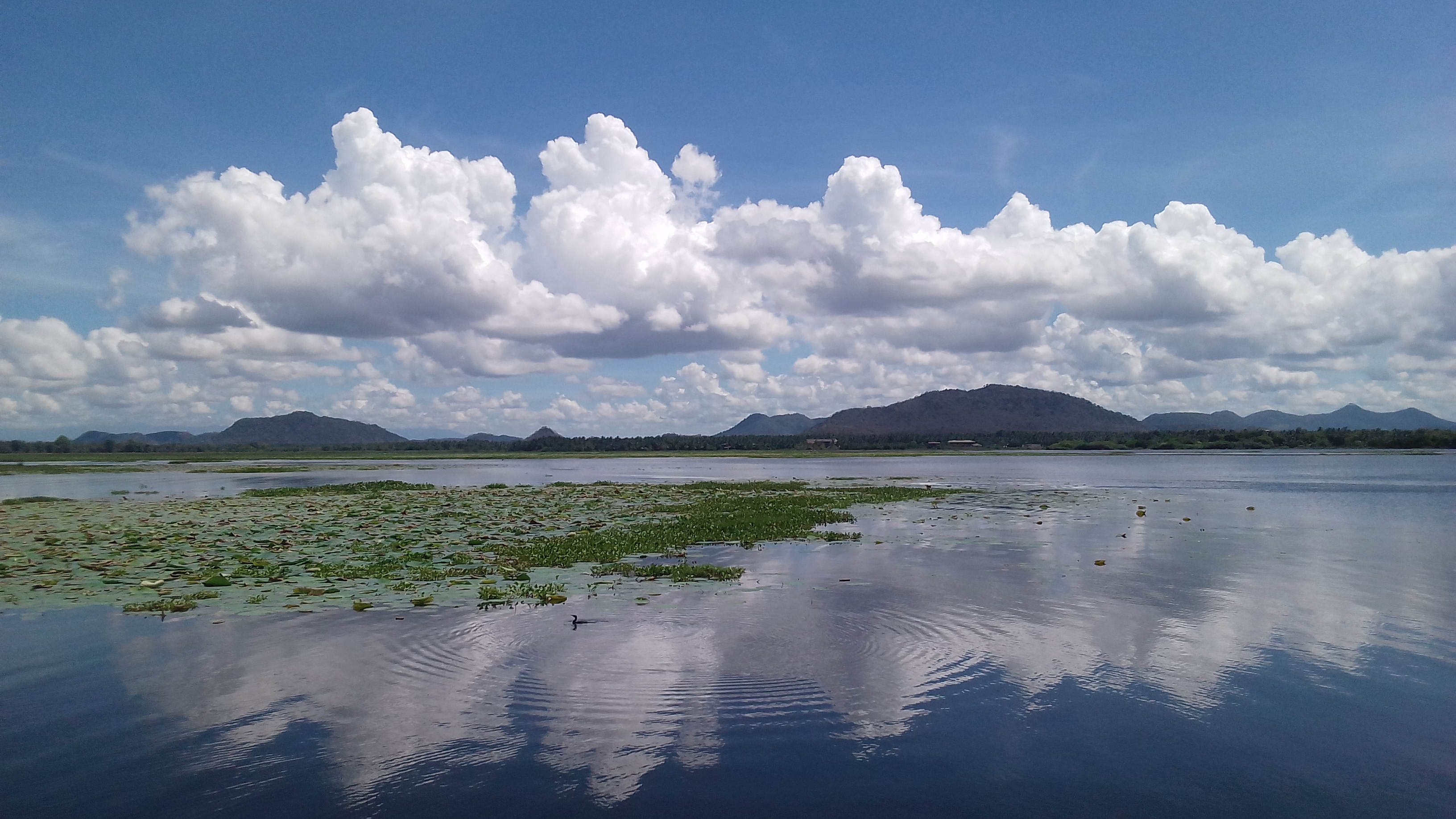
- Batticaloa: singing fish lagoon
Your day-by-day itinerary




Discover
Activities
Next stop



Discover
Activities
Next stop


Discover
Activities
Next stop


Discover
Activities
Next stop




Discover
Activities
Next stop


Discover
Activities
Next stop




Discover
Activities
Next stop



Discover
Activities
Next stop




Discover
Activities
Next stop




Discover
Activities
Next stop
Discover
Activities
Next stop


Discover
Activities
🗺️ Itinerary map
🗺️ Nearby itineraries
❓ Frequently asked questions
What weather should you expect?
Dry Season - West and South (December-March): This period offers the best weather for exploring Colombo, the southern beaches, and hill country regions with minimal rainfall, comfortable temperatures (26-30°C), and calm seas perfect for beach activities. Tourist crowds reach their peak during December and January holidays, resulting in higher accommodation prices and advance booking requirements. The monsoon winds from the northeast create ideal surfing conditions on the south coast, while the hill country enjoys cool, clear weather perfect for tea plantation visits and hiking.
Dry Season - East and North (May-September): The eastern and northern coasts experience their dry season during these months, offering excellent beach weather, calm seas, and minimal rainfall while the west coast faces monsoon conditions. This period provides opportunities to explore less crowded eastern beaches like Arugam Bay and Trincomalee, along with northern cultural sites like Jaffna and Anuradhapura. Temperatures remain warm (28-32°C) with lower humidity levels, making this ideal for wildlife viewing and outdoor activities in the eastern regions.
Shoulder Seasons (April and October-November): These transitional periods offer the best value for money with moderate weather conditions across most regions, though brief afternoon showers are common as monsoon patterns shift. Tourist crowds diminish significantly, resulting in lower accommodation prices and more authentic local experiences. April can be quite hot (30-35°C) before the rains begin, while October-November provides pleasant post-monsoon conditions with lush green landscapes and refreshed waterfalls throughout the island.
Monsoon Seasons (Southwest: May-September, Northeast: October-January): While challenging for beach activities, monsoon periods offer unique experiences including spectacular waterfalls, lush green landscapes, and dramatically reduced tourist crowds. The southwest monsoon affects the western and southern coasts but often brings only afternoon showers, allowing morning sightseeing and cultural activities. Budget travelers can find excellent accommodation deals during monsoon periods, while the rain enhances the island's natural beauty and fills reservoirs and waterways.
How many days should I plan?
We believe you will enjoy this itinerary best by dedicating between 10 and 16 days. The next step will allow you to adjust the duration of your stay.
What to discover in Sri Lanka?
Pearl of the Indian Ocean with ancient temples, tea plantations, and incredible wildlife. Experience cultural diversity, beautiful beaches, and authentic Sri Lankan hospitality. The country offers spiritual experiences with natural beauty and cultural depth. Sri Lanka provides transformative cultural experiences with natural wonders and historical significance.