📍 Croatia

North Dalmatia Road Trip: Zadar, Šibenik and the Krka Waterfalls

≈ 10
Days
310
Km
9
Stops
📖 5 min read 🔄 Last updated: 2026-01-17

Your day-by-day itinerary

1
Day

Zadar

🔍

Discover

1
The Sea Organ transforms the Adriatic waves into an endless symphony through 35 underwater tubes of varying lengths carved into the white marble steps of Zadar's waterfront. Designed by architect Nikola Bašić and unveiled in 2005, this unique instrument plays a different melody with every tide, every wind, every passing ship, making each sunset concert utterly unrepeatable.
2
The Greeting to the Sun is a 22-meter glass circle embedded in the pavement next to the Sea Organ, collecting solar energy by day and transforming it into a mesmerizing light show after dark. Three hundred multilayered glass plates create patterns that dance with the colors of the setting sun, then pulse and glow through the night like a portal to another dimension.
3
The Roman Forum spreads its ancient stones across the largest public square of the Roman Empire's eastern Adriatic coast, founded by Emperor Augustus in the 1st century BC. Columns, fragments of temples, and the remains of a basilica still emerge from the grass where citizens once gathered, traded, and debated beneath the Mediterranean sun two thousand years ago.
4
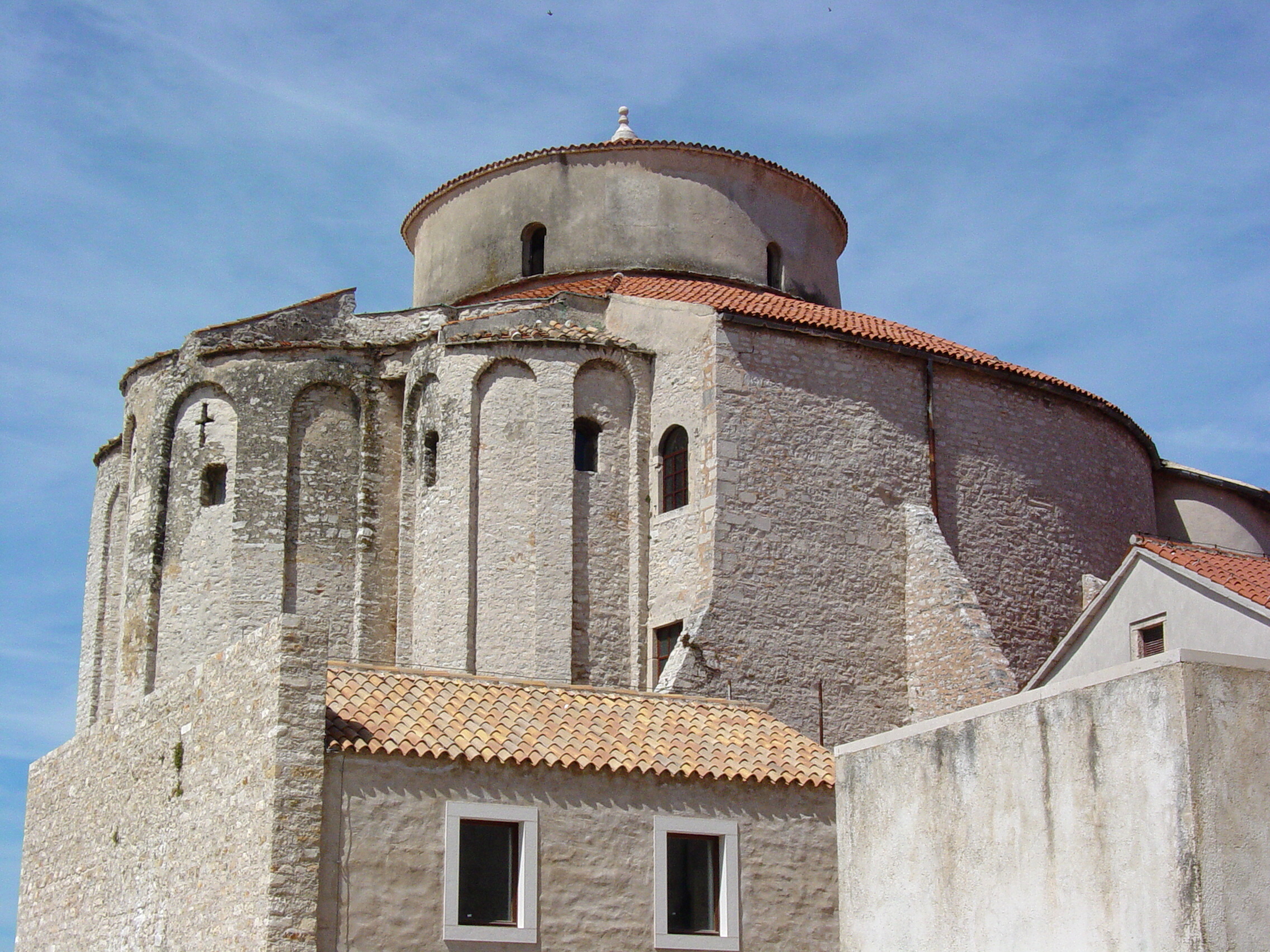
The Church of St. Donatus rises from the Forum like a massive stone drum, its circular Byzantine form unique in Dalmatia and virtually unchanged since the 9th century. The acoustics within these windowless walls are so exceptional that the Musical Evenings in St. Donatus have drawn classical musicians and audiences from around the world since 1960.
+3 Places visited
🎯

Activities

Watch the sunset from the Sea Organ steps, where locals and travelers gather each evening to witness what Alfred Hitchcock allegedly called the most beautiful sunset in the world. As the sun sinks into the Adriatic and the sky erupts in orange and purple, the organ's haunting melodies provide a soundtrack no composer could have written.
Wander the marble-paved streets of the old town after dark, when the day-trippers have departed and the ancient stones glow under lamplight. Hidden bars in medieval cellars, candlelit restaurants in Renaissance courtyards, and the distant sound of the Sea Organ create an atmosphere both timeless and alive.
Take a day trip to Ugljan or Pašman islands, just 25 minutes by ferry, where olive groves climb terraced hillsides and fishing villages slumber in the afternoon heat. Rent a bike, find a secluded beach, lunch on grilled fish at a family konoba, and return in time for the Zadar sunset.
+2 Optional activities
🚗
Next stop
Distance: 15 km
Travel time: 25min
2
Day

Nin

🔍

Discover

1
The Church of the Holy Cross is nicknamed the smallest cathedral in the world, a perfectly proportioned pre-Romanesque jewel built in the 9th century that fits just 20 worshippers inside. Its precise alignment with the sun's path has led scholars to call it a Croatian Stonehenge, the light penetrating its narrow windows to mark solstices and equinoxes with astronomical accuracy.
2
The statue of Bishop Grgur Ninski towers 8.5 meters outside the old town walls, the work of Croatia's greatest sculptor Ivan Meštrović. Rubbing the bishop's giant bronze toe supposedly brings good luck, and the digit has been polished to a golden shine by countless hopeful hands over the decades.
3
The Salt Works of Nin have harvested salt from shallow lagoons since Roman times, and the traditional pans still produce the precious crystals using methods unchanged for centuries. This salt flower, hand-raked by workers who follow the wind and the sun, commands premium prices in gourmet kitchens across Europe.
4
The Church of St. Nicholas stands alone on a grassy mound outside town, a tiny 11th-century chapel that medieval Croatian kings visited for coronation rituals. The views from this isolated hillock sweep across the salt pans to the Velebit mountains, a landscape that has changed little since the first kings knelt here.
+1 Places visited
🎯

Activities

Wade into the healing mud of Nin's lagoon, where medicinal peloid has drawn visitors seeking relief for skin and joint ailments since antiquity. Slather yourself in the mineral-rich black clay, let it dry in the sun, then rinse off in the warm shallow sea—a spa treatment that costs nothing but delivers genuine therapeutic benefits.
Stretch out on Queen's Beach, a long sandbar reaching into the turquoise lagoon where the water barely reaches your knees for hundreds of meters. Families with small children and windsurfers share this natural playground, the shallow warm water and steady winds creating ideal conditions for both.
Taste the authentic Nin šokol, a traditional dry-cured pork neck seasoned with garlic and pepper, aged in the Bora wind that sweeps down from the Velebit. This protected delicacy is becoming harder to find as the old producers retire, so seek out a local butcher before this taste of history disappears.
+2 Optional activities
🚗
Next stop
Distance: 50 km
Travel time: 1h
3
Day

Pag

🔍

Discover

1
Pag Town was designed in 1443 by the great Croatian architect Juraj Dalmatinac as a planned Renaissance settlement, its geometric street grid and central square still intact after nearly six centuries. The unfinished cathedral he designed dominates the main plaza, its rose window a masterpiece of stone lace that foreshadowed the delicate patterns Pag would become famous for.
2
The Salt Museum occupies a historic warehouse on the waterfront and tells the story of the white gold that made Pag prosperous for millennia. Scale models, tools, and photographs document an industry that once employed half the island's population and produced salt for tables across the Austro-Hungarian Empire.
3
The Lace Gallery showcases Pag's signature craft, an intricate needlework technique passed from mother to daughter for at least 500 years. Each piece takes months to complete, the geometric patterns so fine they seem impossible to have been made by human hands, and UNESCO recognized this tradition as Intangible Cultural Heritage in 2009.
4
The Church of the Assumption houses another rose window by Dalmatinac and a treasury of religious art accumulated over centuries. The bell tower offers views across the rooftops to the salt pans, the moonscape hills, and the bridge that connects this lunar island to the mainland.
+1 Places visited
🎯

Activities

Sample Paški sir, the island's famous sheep cheese aged in olive oil and rubbed with ash, its complex flavors shaped by the wild herbs the sheep graze on windswept hillsides. The best way to taste it is at a family farm, where the cheesemaker will explain the process while pouring local wine and slicing the dense, crumbly rounds.
Watch a lacemaker at work in one of Pag Town's workshops, her needle dancing through impossibly fine threads to create patterns that seem more mathematical than artistic. Some pieces take over a year to complete, and purchasing directly from the maker ensures authenticity and fair compensation for this dying art.
Drive to Zrće Beach, the party capital of the Adriatic where three mega-clubs pump electronic music to thousands of revelers all summer long. This Croatian Ibiza may seem incongruous on this quiet island, but the contrast only adds to Pag's surreal character.
+2 Optional activities
🚗
Next stop
Distance: 100 km
Travel time: 1h30
4
Day

Sibenik

🔍

Discover

1
The Cathedral of St. James took over a century to build, from 1431 to 1536, and stands as one of the most important Renaissance monuments in the entire Mediterranean. UNESCO inscribed it on the World Heritage List for its unique construction technique: the entire structure, including the dome, was assembled from interlocking stone slabs without a single brick or wooden support.
2
The frieze of 71 heads encircles the cathedral's exterior, portraits of ordinary 15th-century citizens whose faces were carved by the master sculptors Juraj Dalmatinac and Nikola Firentinac. Merchants, fishermen, women, children—a democratic gallery of humanity preserved in stone for half a millennium, each expression unique and alive.
3
St. Michael's Fortress crowns the hill above the old town, a medieval stronghold converted into a spectacular open-air concert venue. The summer performances against the backdrop of islands and sea have made this one of the most coveted stages on the Adriatic circuit, where world-class musicians play to audiences of 1,000.
4
Barone Fortress rises on the opposite hill, its Venetian ramparts offering panoramic views and now housing an interactive museum on Šibenik's history. The virtual reality experience recreates the Ottoman siege of 1647, immersing visitors in the desperate defense that saved the city from conquest.
+2 Places visited
🎯

Activities

Climb the staircases that thread through the old town, discovering hidden churches, tiny bars, and viewpoints that reward the breathless. The vertical city reveals itself slowly to those willing to explore, and getting lost is part of the pleasure.
Attend a concert at St. Michael's Fortress during the International Children's Festival in June-July, when Šibenik transforms into a celebration of youth creativity. For two weeks, performances, workshops, and exhibitions take over every square and stage in town.
Take a boat to the St. Nicholas Fortress, a 16th-century sea fortress guarding the channel entrance that has never been conquered. This military masterpiece earned UNESCO status alongside the cathedral, and tours reveal ingenious defensive features still impressive after 500 years.
+2 Optional activities
🚗
Next stop
Distance: 15 km
Travel time: 25min
5
Day

Skradin

🔍

Discover

1
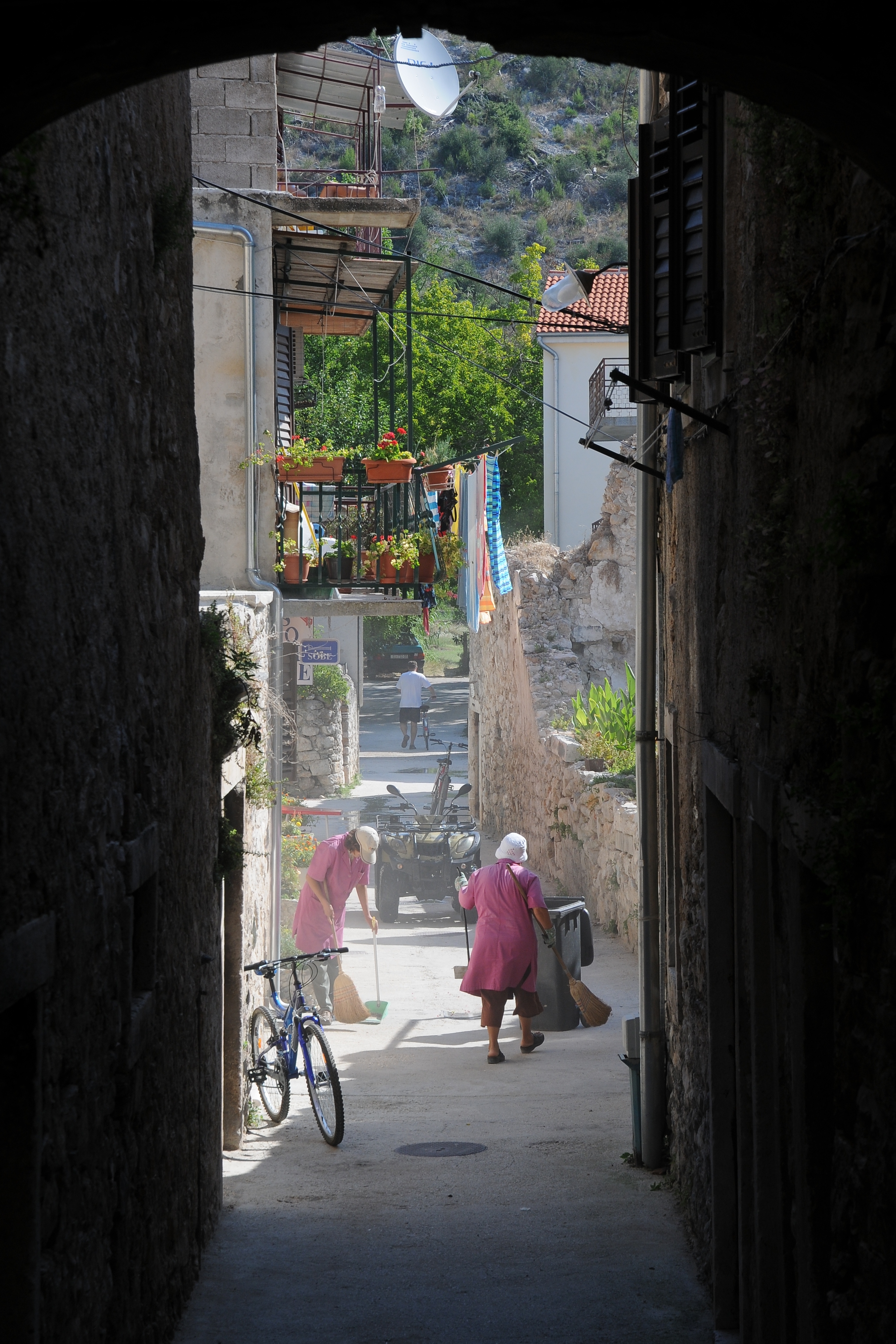
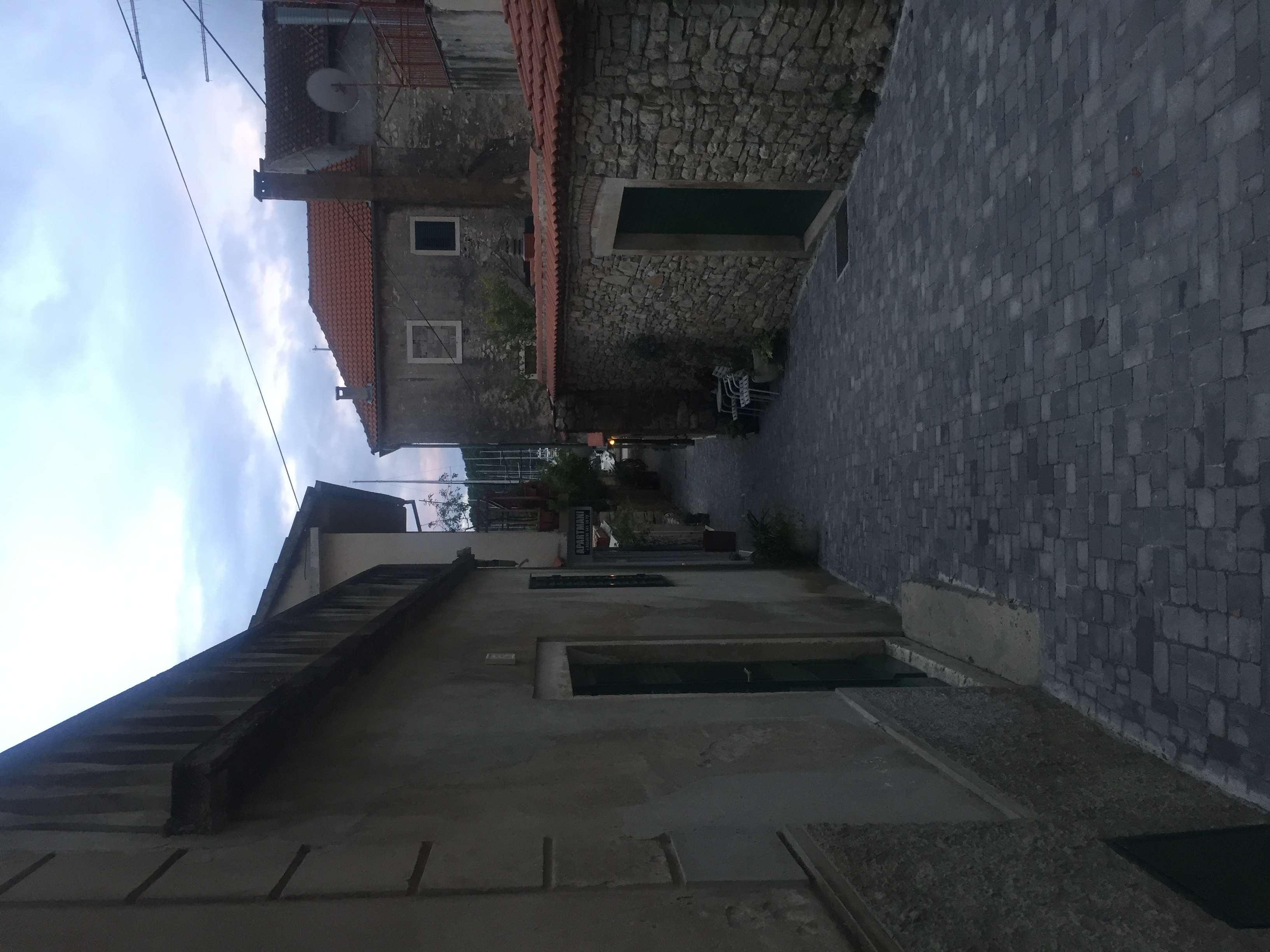
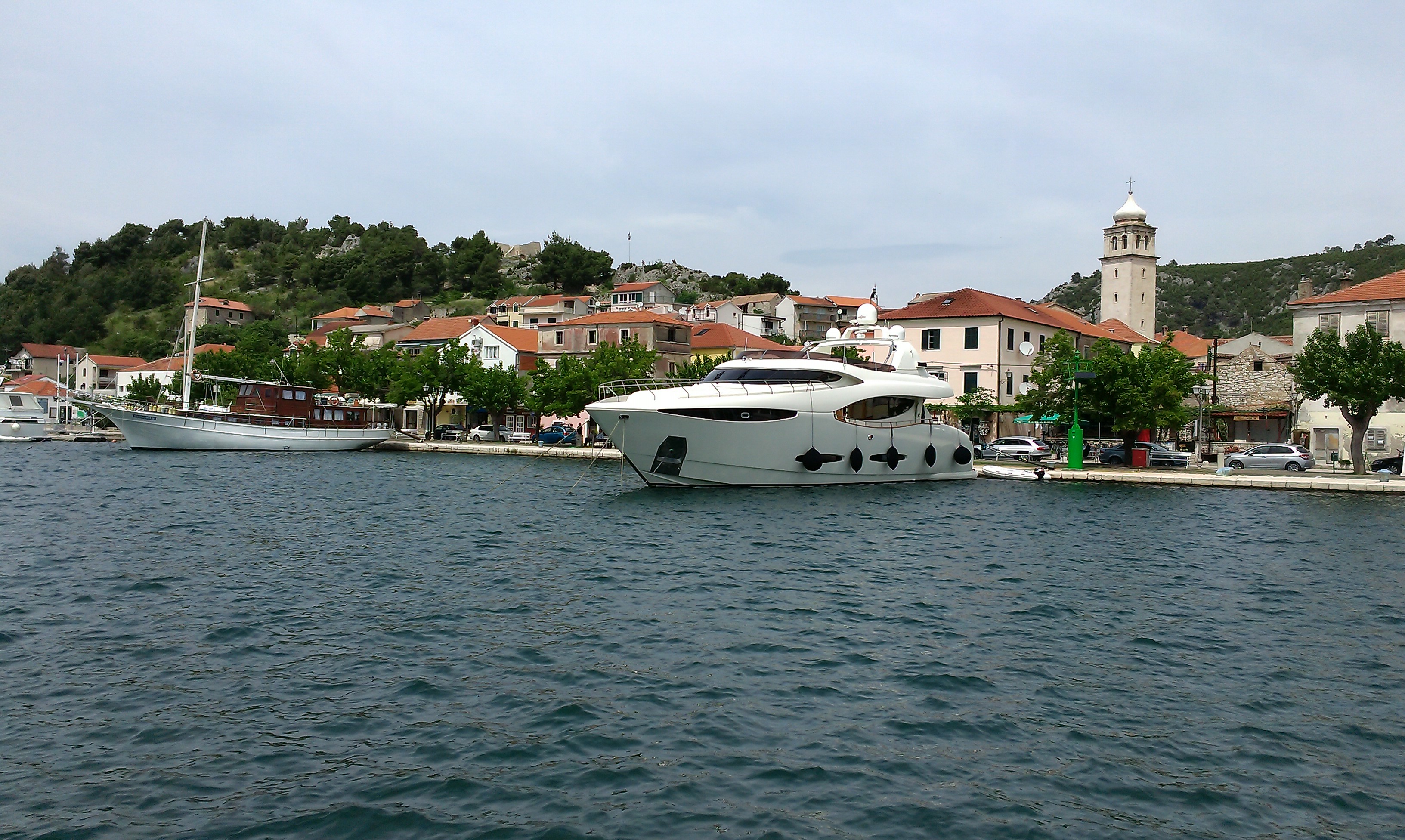
Skradin is the gateway to Krka National Park, a sleepy riverside town where boats depart for the waterfalls and restaurants serve fresh trout from the crystal-clear river. The small harbor lined with cafés and the ruins of a Venetian fortress on the hillside create an atmosphere of unhurried Mediterranean charm that invites lingering.
2
The Church of the Blessed Virgin Mary dominates the tiny main square with its baroque bell tower, the interior cool and dim after the blazing sunlight outside. Local legend claims the church was built to thank the Virgin for protecting the town from plague, and the faithful still light candles before her altar.
3
The Ethno Museum occupies a traditional stone house and preserves tools, costumes, and photographs documenting rural life along the Krka before tourism and modernization transformed the region. The collection feels personal rather than institutional, assembled by locals who wanted to remember their grandparents' world.
4
Roman Scardona lies buried beneath modern Skradin, once an important port where goods from the interior were transferred to seagoing vessels. Fragments of ancient walls and occasional archaeological finds remind visitors that this quiet backwater was once a bustling commercial hub of the empire.
+1 Places visited
🎯

Activities

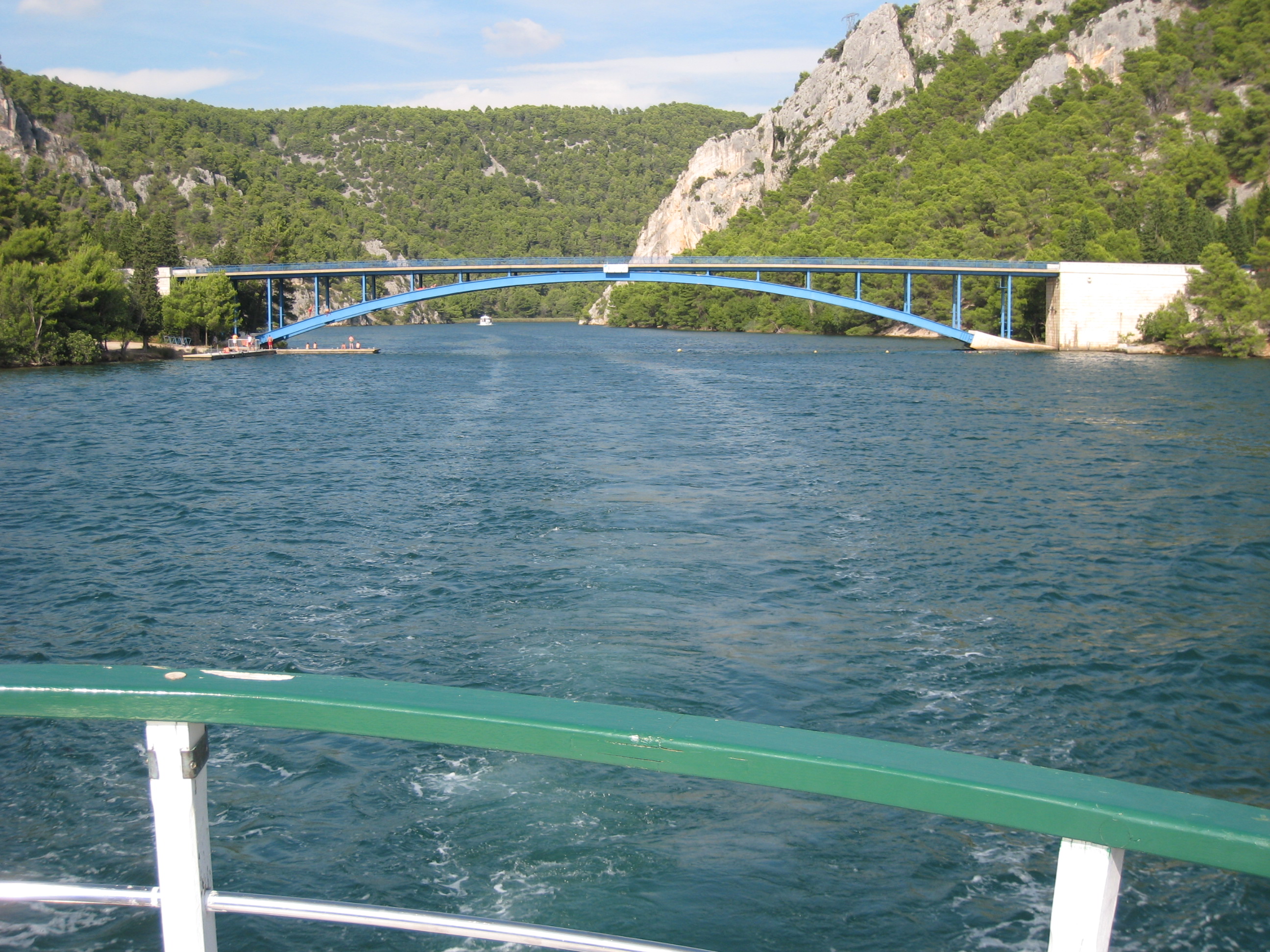
Board the national park boat from Skradin harbor for the 25-minute cruise to Skradinski Buk, the largest and most famous of Krka's waterfalls. The approach by water builds anticipation as the thunder grows louder and spray begins to drift across the bow.
Swim beneath Skradinski Buk in the designated bathing area, where the cool cascade massages your shoulders and the mist creates rainbows in the afternoon sun. This is one of the few European national parks where swimming at the main waterfall is permitted, and the experience is unforgettable.
Walk the wooden boardwalks that wind through the travertine pools and cascades of Skradinski Buk, a 45-minute circuit past seventeen steps of falling water. Each pool harbors its own ecosystem of fish, frogs, and aquatic plants, the whole complex growing millimeter by millimeter as minerals precipitate from the flow.
+2 Optional activities
🚗
Next stop
Distance: 30 km
Travel time: 40min
6
Day

Krka Inland

🔍

Discover

1
Roški Slap is Krka's second great waterfall, a series of cascades tumbling 22 meters through lush vegetation into pools of impossible turquoise. Unlike the crowded Skradinski Buk, this upper section of the park receives far fewer visitors, and the silence between the roar of falling water feels almost sacred.
2
The Visovac Island floats in the middle of Krka's lake like a green jewel, its Franciscan monastery founded in 1445 still home to a small community of friars. The church houses one of only three surviving copies of Aesop's Fables printed in 1487, and the gardens cultivate herbs and vegetables as monks have done for nearly six centuries.
3
The Krka Monastery clings to the canyon wall on the Orthodox side of the river, founded in the 14th century and still an active spiritual center. The frescoes inside date from the 17th and 18th centuries, and the monks welcome visitors with a hospitality that transcends religious boundaries.
4
The Oziđana Cave shelters traces of human habitation dating back 8,000 years, the earliest evidence of settlement in the Krka valley. Archaeological excavations continue to reveal pottery, tools, and bones that reconstruct the lives of Stone Age communities who sheltered here beside the river.
+1 Places visited
🎯

Activities

Take the boat excursion to Visovac Island, a 30-minute journey across the lake's glassy surface that feels like traveling back in time. The monastery tour lasts an hour, enough to absorb the peaceful atmosphere, admire the collection, and understand why the friars chose this secluded spot five centuries ago.
Hike the trails around Roški Slap through oak and beech forests that shelter deer, wild boar, and over 200 bird species. The paths vary from easy boardwalks to challenging climbs, and the views from above reveal the waterfalls in their full glory.
Climb the 517 steps to Oziđana Cave for panoramic views over the canyon and a glimpse into prehistory. The ascent is strenuous but rewarding, and interpretive panels along the way explain the geological and archaeological significance of the site.
+2 Optional activities
🚗
Next stop
Distance: 45 km
Travel time: 55min
7
Day

Primosten

🔍

Discover

1
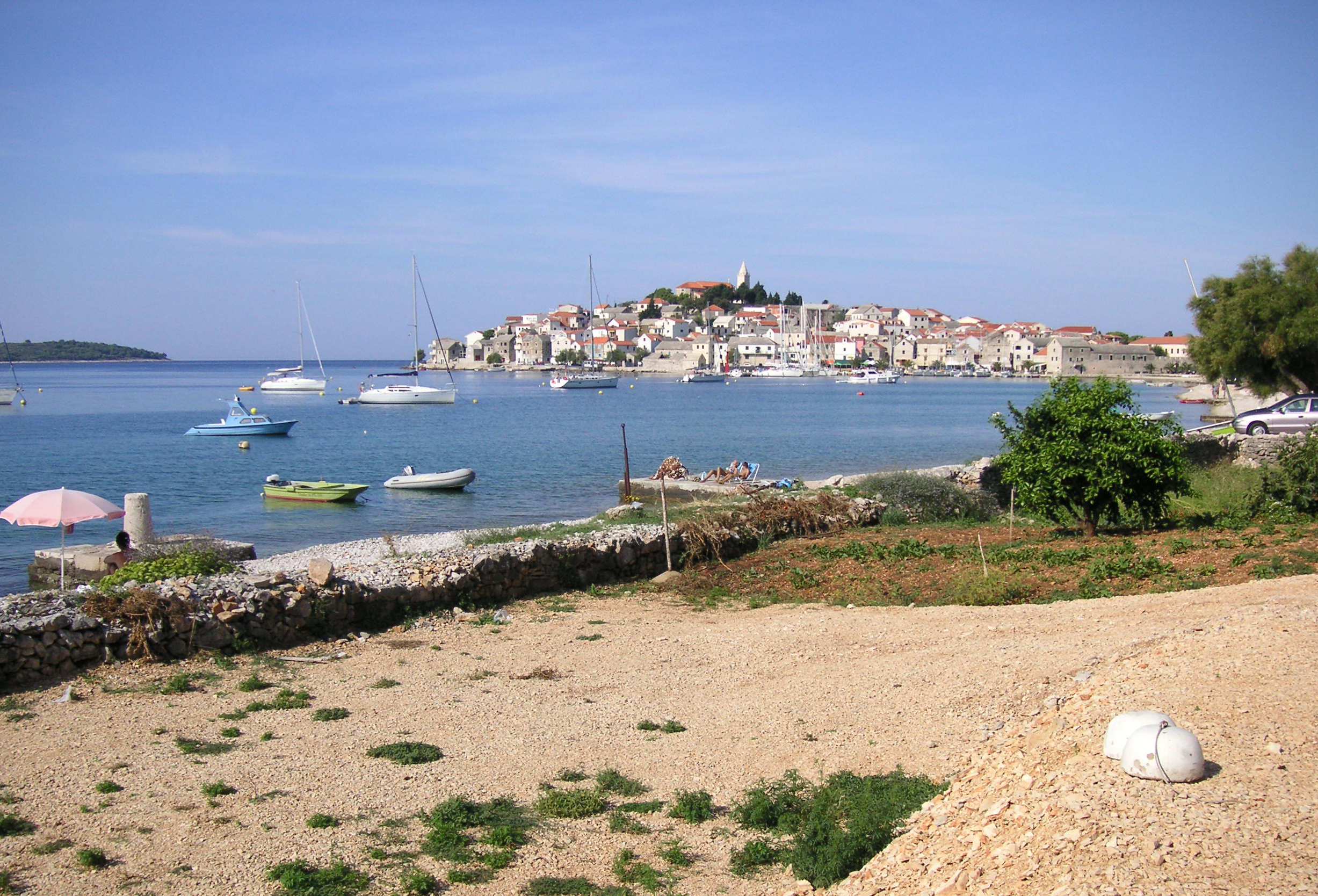
Primošten's old town occupies a tiny island connected to the mainland by a causeway built in the 16th century to allow residents to flee Ottoman raids. The tangle of whitewashed houses climbing toward the Church of St. George at the summit creates a postcard silhouette that has graced countless Croatian tourism campaigns.
2
The Church of St. George crowns the island's highest point, its simple whitewashed façade and modest bell tower visible from far out at sea. Inside, votive paintings and ship models record centuries of maritime devotion, and the churchyard cemetery overlooks the Adriatic in all directions.
3
The vineyards of Primošten cascade down the hillsides in dry-stone terraces so steep and numerous that UNESCO inscribed them on its Tentative List as a cultural landscape. These walls, built stone by stone over centuries to create pockets of soil for Babić vines, represent human determination to cultivate even the most inhospitable terrain.
4
The beaches around Primošten rank among the finest in Dalmatia, from the pebbly coves beneath the old town walls to the sandy stretches of Raduča peninsula. Pine forests shade much of the shoreline, and the water clarity rivals any in the Mediterranean.
+1 Places visited
🎯

Activities

Wander the narrow lanes of the old town in the early morning or evening, when the day-trippers have departed and the golden light transforms the white walls into amber. Climb to St. George's church for sunset views that sweep from the Kornati Islands to the Velebit mountains.
Taste Babić wine at a local konoba or winery, the indigenous red grape variety that has grown on Primošten's terraced hillsides for centuries. The microclimate of sun, stone, and sea breeze produces wines unlike any other, and winemakers are proud to explain their craft.
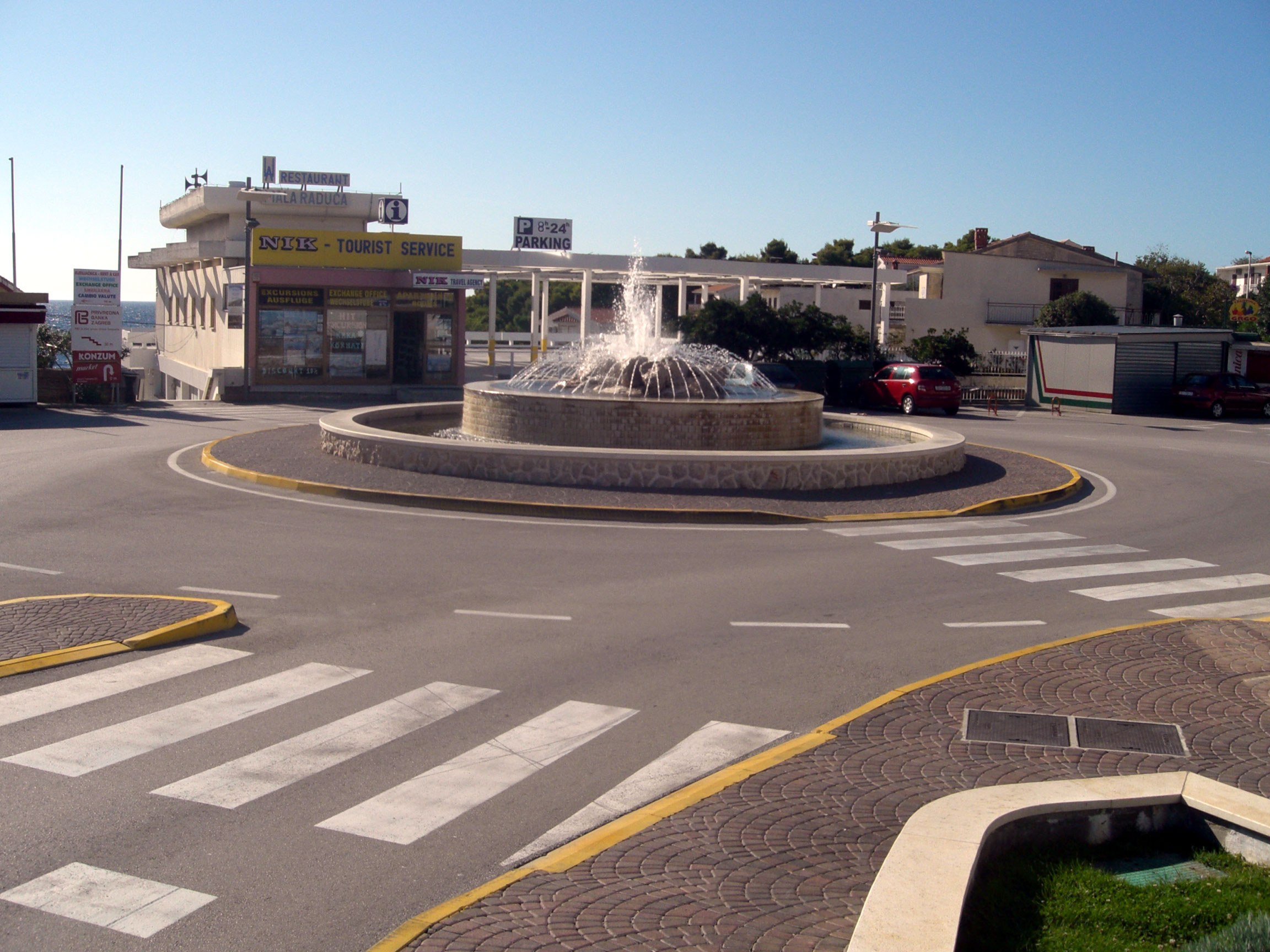
Swim at Mala Raduča beach on the peninsula north of town, where shallow turquoise water laps against fine pebbles shaded by Mediterranean pines. The beach earned Blue Flag certification, and the facilities include cafés, showers, and sunbed rentals.
+2 Optional activities
🚗
Next stop
Distance: 30 km
Travel time: 35min
8
Day

Trogir

🔍

Discover

1
Trogir's historic center occupies a tiny island wedged between the mainland and the larger island of Čiovo, connected by bridges at both ends. UNESCO inscribed the entire town in 1997 as the best-preserved Romanesque-Gothic complex in Central Europe, 2,300 years of continuous urban life compressed into a space you can walk across in five minutes.
2
The Cathedral of St. Lawrence dominates the main square with its magnificent Radovan Portal, carved in 1240 by the master sculptor whose name graces this masterpiece of medieval art. The tympanum depicts the Nativity surrounded by hunting scenes, monsters, and allegories of the months, while Adam and Eve stand on lions flanking the entrance.
3
The Kamerlengo Fortress guards the western tip of the island, a 15th-century Venetian stronghold whose towers and ramparts now host summer concerts and film screenings. The views from the battlements sweep across the channel to Čiovo, the open sea, and the distant silhouette of Split.
4
The Loggia and Clock Tower frame the main square opposite the cathedral, the loggia's open arches once serving as a public tribunal where justice was dispensed beneath Renaissance reliefs. The clock has marked the hours since the 15th century, its dial still showing time in the traditional 24-hour format.
+2 Places visited
🎯

Activities

Study the Radovan Portal in the morning light, when the low sun rakes across the carvings and reveals details invisible at other hours. Scholars have spent careers decoding the iconography, but even casual viewers recognize the extraordinary skill that brought stone to life eight centuries ago.
Cross the bridge to Čiovo Island for beaches less crowded than those on the mainland, pine-shaded coves where you can swim in peace before returning to explore Trogir's monuments. The island's villages preserve a slower pace of life that feels decades removed from the tourist bustle.
Climb the Kamerlengo tower at sunset for 360-degree views over red rooftops to mountains and sea. If a concert is scheduled, stay for the performance—there are few more atmospheric venues anywhere in Europe.
+2 Optional activities
🚗
Next stop
Distance: 25 km
Travel time: 30min
9
Day

Kastela

🔍

Discover

1
The Kaštela Riviera stretches along 17 kilometers of coastline between Trogir and Split, seven small towns each named for the fortified castle built to protect it from Ottoman raids. These castles, constructed between the 15th and 17th centuries by Split's noble families, transformed a vulnerable coastline into a string of defensive strongholds that still define the landscape today.
2
Kaštel Lukšić preserves the finest castle, the Vitturi-Cippico fortress whose Renaissance elegance reflects the wealth of its aristocratic builders. The courtyard garden descends in terraces toward the sea, and the interior houses a museum documenting the history of all seven Kaštela settlements.
3
Kaštel Gomilica's castle rises directly from the water, its walls lapped by waves and its tower reflected in the harbor where fishing boats still moor. A bridge connects the fortress to the village, and the atmospheric passageways provided locations for Game of Thrones scenes shot here in 2016.
4
The 1,500-year-old olive tree in Kaštel Štafilić stands as one of the oldest living things in Croatia, its gnarled trunk and silver leaves having witnessed the rise and fall of empires. Local legend claims the tree was already ancient when the first castle was built nearby.
+1 Places visited
🎯

Activities

Walk the seaside promenade that connects all seven Kaštela towns, a flat and easy path popular with joggers, cyclists, and families pushing strollers. The route passes each castle, numerous beaches, and countless cafés where you can pause to watch the ferries plying between Split and the islands.
Swim at any of the dozens of small beaches that punctuate the Riviera, from pebble coves beneath the castle walls to concrete platforms equipped with showers and sunbeds. The water here is calmer than the open coast, sheltered by the bulk of the islands across the channel.
Visit the Vitturi-Cippico Castle museum in Kaštel Lukšić for exhibits on archaeology, ethnography, and the noble families who shaped the region. The collection includes Roman artifacts, traditional costumes, and documents tracing the centuries-long struggle against Ottoman expansion.
+2 Optional activities

🗺️ Itinerary map

🗺️ Nearby itineraries

🛡️ Travel advice - Croatia

Check official recommendations

UK Foreign Travel Advice →

❓ Frequently asked questions

What weather should you expect?

Summer (June-August): Perfect weather, warmest seas, peak tourist season, highest prices, crowded attractions, vibrant atmosphere, festival season, advance booking essential.

Shoulder Season (May & September): Excellent weather, warm seas, fewer crowds, good value, comfortable temperatures, ideal conditions, perfect balance.

Spring (April-May): Mild weather, blooming landscapes, fewer tourists, good prices, pleasant temperatures, nature awakening, excellent hiking.

Fall (September-October): Warm seas, comfortable weather, harvest season, wine tourism, fewer crowds, excellent value, golden light photography.

Winter (November-March): Mild coastal weather, lowest prices, minimal crowds, Christmas markets, cultural focus, indoor attractions, cozy atmosphere.

How many days should I plan?

We believe you will enjoy this itinerary best by dedicating between 8 and 12 days. The next step will allow you to adjust the duration of your stay.

What to discover in Croatia?

Adriatic paradise with medieval cities, pristine coastline, and incredible natural beauty. Experience Dubrovnik's walls, Plitvice Lakes, and authentic Mediterranean culture. The country offers cultural heritage with natural wonders and excellent value. Croatia provides Mediterranean experiences with historical significance and natural beauty.